






If you've started Googling what to pack for a Europe trip, you've probably run into both terms and gotten confused. Do you need an adapter? A converter? Both? Neither?
Here's the plain-English answer: for most modern electronic devices, a travel adapter is all you'll need. A voltage converter is only necessary for certain single-voltage appliances.
Once you understand the difference, you'll know in about 30 seconds which one applies to you.
Table of contents
- Adapter vs. Converter: The Difference
- How to Tell Which One You Need (No Technical Knowledge Required)
- The Hair Dryer Situation (This Is Where People Go Wrong)
- What Most Americans Actually Need: Just an Adapter
- Quick Decision Guide
- FAQ
Adapter vs. Converter: The Difference
A travel adapter changes the plug shape. A voltage converter changes the electrical voltage. One does not replace the other. Think of it this way. Traveling from the US to Europe is like trying to fit a square peg into a round hole, twice over.

Problem #1 is the shape of the plug. American plugs have two flat prongs. European wall sockets have two round holes. They don't physically fit each other, full stop. A travel adapter fixes this. It's essentially a plug-shaped sleeve that lets your American charger click into a European wall. It doesn't do anything to the electricity itself; it just changes the shape so the plug fits.
Problem #2 is the strength of the electricity. The U.S. uses 110-120V electricity, while most European countries use 220-240V. Most modern devices (phones, laptops, tablets) are built to handle both automatically and don't care. But some older or high-powered appliances, like a standard American hair dryer, are only built for U.S. voltage. Plug one of those into a European outlet without protection, and it'll overheat, break, or in some cases blow out immediately. A voltage converter steps the European power down to US levels before it reaches your device.
So: the adapter solves the shape problem. The converter solves the power-strength problem. They do completely different things, and for most travelers, only one of them is actually necessary.
How to Tell Which One You Need (No Technical Knowledge Required)
Pick up the charger brick for your phone or laptop, the small rectangular block that plugs into the wall. Flip it over and look for the fine print. Somewhere on there, you'll see something like:
Input: 100-240V
If you see two numbers like that, you're good. That device automatically supports input voltages between 100V and 240V, so it can safely be used in most countries with only a travel adapter, whether you're in Iowa or Italy. All you need is a travel adapter for the plug shape.
If it only shows one number, something like "120V" with nothing else, that device is only built for US power levels. Plugging it into a European outlet through a regular adapter would be like running it at double the intended strength. You may need an appropriate voltage converter, depending on the device and the manufacturer's instructions.

Here's the practical reality: almost everything you travel with these days has two numbers. Most modern electronics, including smartphones, laptops, tablets, camera chargers, earbuds, and many electric toothbrushes, support dual voltage (100-240V). Always check the label before traveling. One of the most common exceptions is hair dryers, curling irons, and other heat styling tools, many of which are still single-voltage.
The Hair Dryer Situation (This Is Where People Go Wrong)
Hair tools are the #1 reason travelers end up needing a voltage converter, or more often, deciding to leave the device at home. A standard American hair dryer is one of the few everyday travel items that's still commonly built for US voltage only.
Before packing yours, flip it over and check the input label.
- If it says "100-240V," your device is dual-voltage, so you only need a travel adapter.
- If it says "120V" (or another single voltage), you'll likely need a compatible voltage converter if you plan to use it in Europe.
If your hair dryer is single-voltage, you have a few options:
- Use the hotel's hair dryer. Most hotels in Europe provide one, and it's usually the easiest solution.
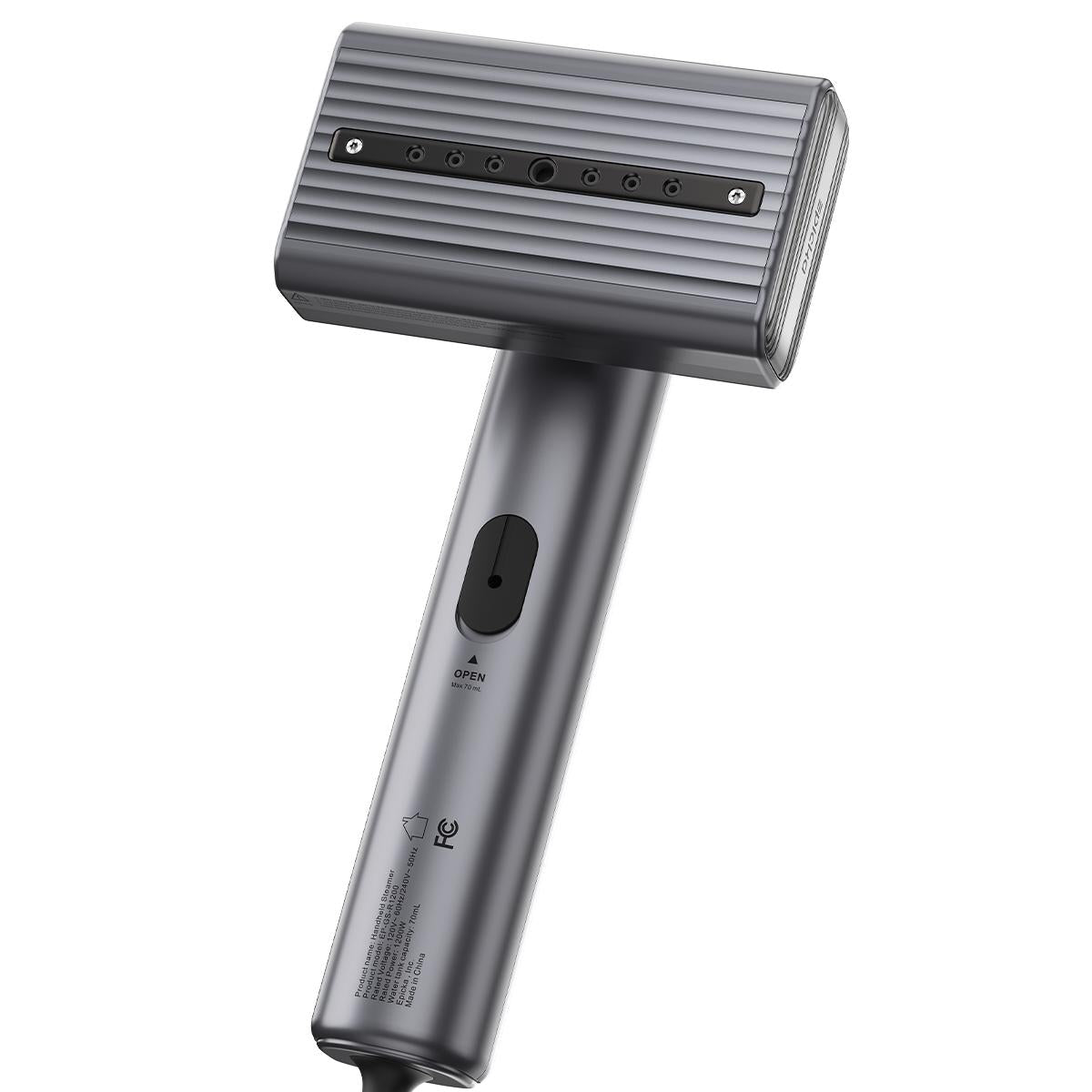
- Switch to a dual-voltage travel model. Many newer travel appliances are designed to work worldwide without a converter. For example, our EPICKA TripCozy Garment Steamer supports 100-240V automatic dual voltage, so it works internationally with nothing more than a travel adapter. It's also compact enough to fit easily into your carry-on, making it a practical choice for keeping clothes wrinkle-free while traveling.
- Bring a voltage converter. If you really want to use your own US-only hair dryer or another single-voltage appliance, you'll need a compatible voltage converter.
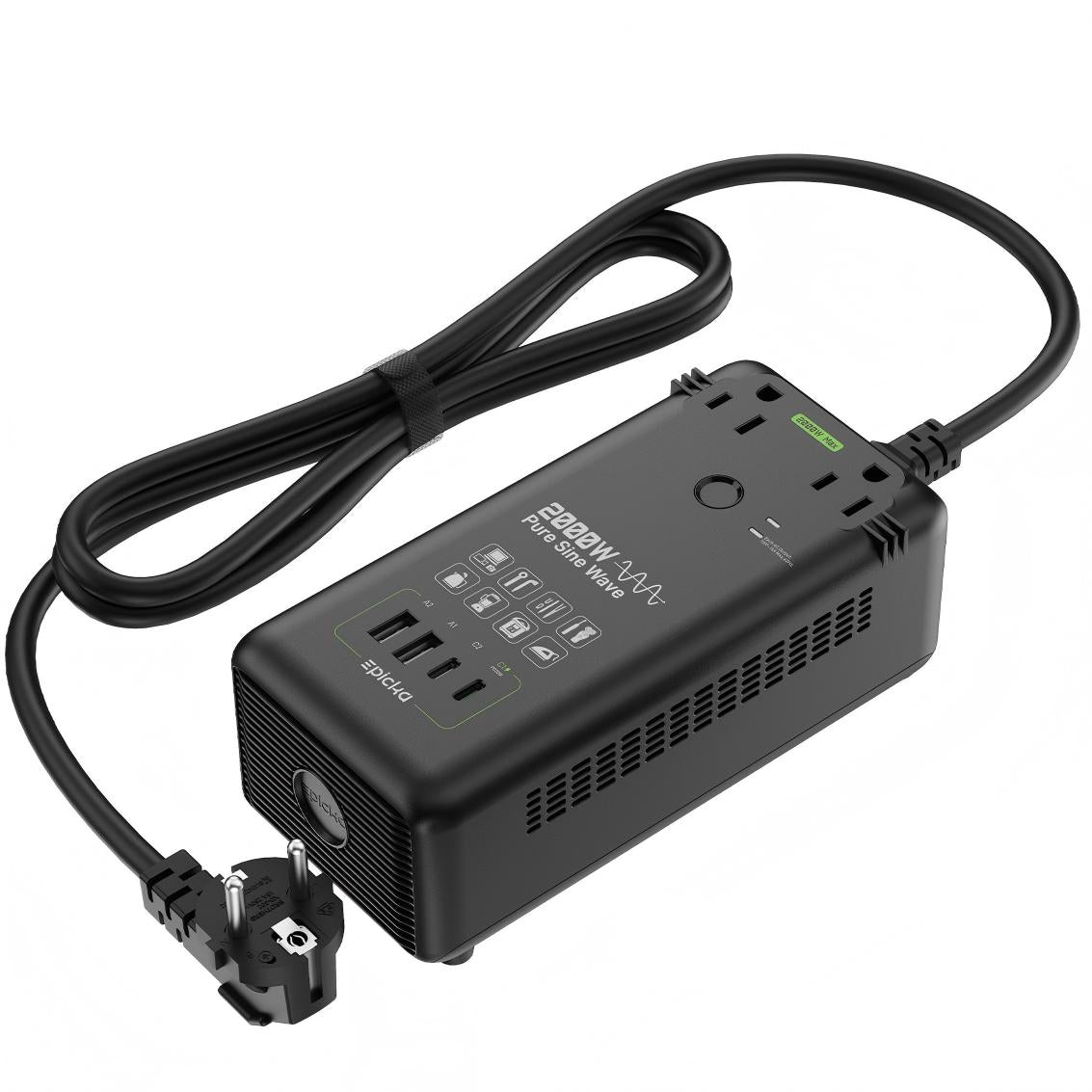
The EPICKA 2000W Voltage Converter is designed for compatible high-wattage appliances such as hair dryers, curling irons, coffee makers, and other supported devices. It converts 220-240V power to 110-120V for compatible appliances and also includes two AC outlets plus USB charging ports, so you can charge your everyday electronics at the same time.

One thing converters can't handle: anything with a heavy motor, like a blender or an air compressor. For everything else on a typical traveler's list, it works.
What Most Americans Actually Need: Just an Adapter
For phones, laptops, tablets, cameras, and most modern devices, the solution is simpler: a travel adapter that converts the plug shape, nothing more.
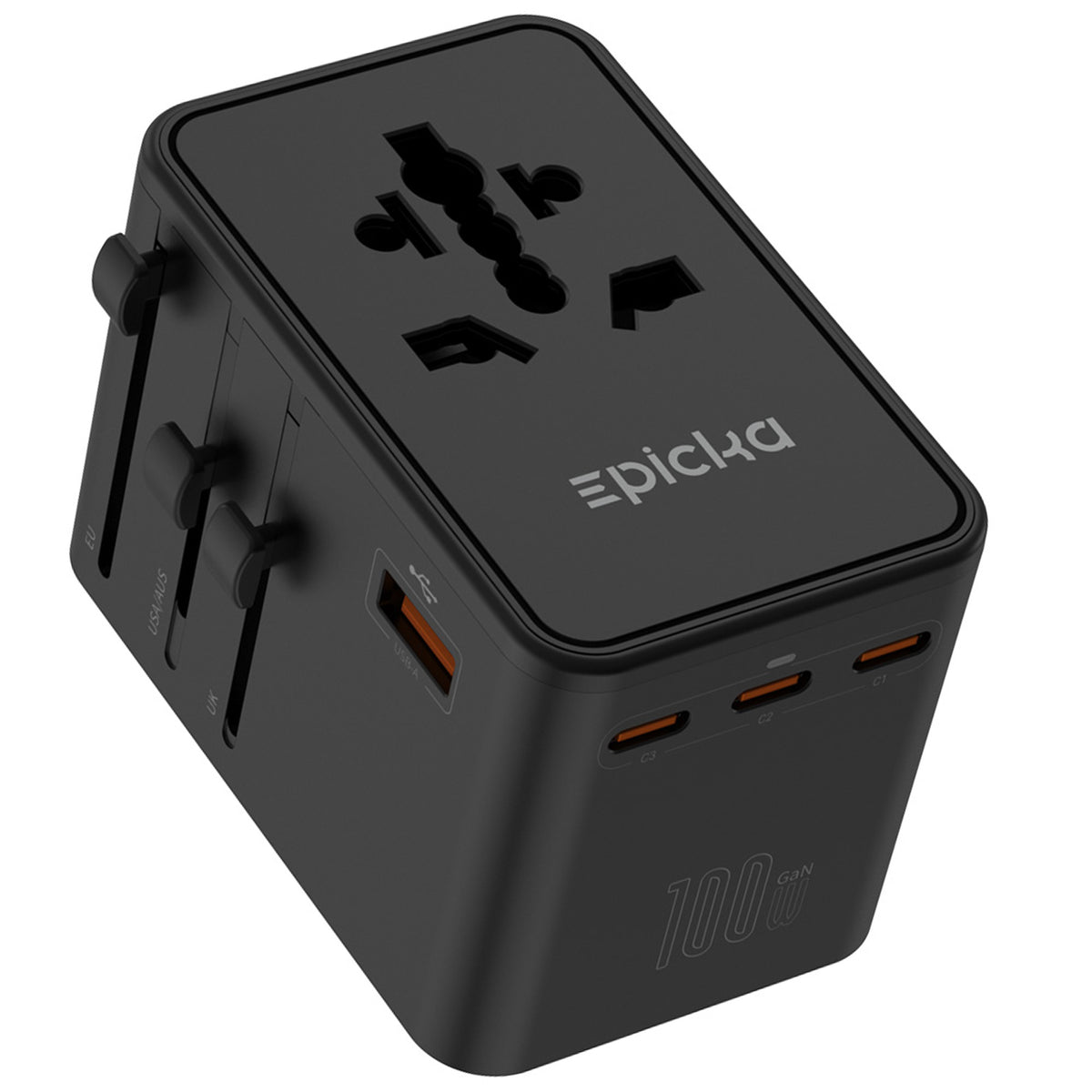
The thing to know about European outlets is that they're not all the same. Most of continental Europe (France, Germany, Spain, Italy, Greece, and others) uses round-pin outlets. But the UK and Ireland use a completely different socket with three rectangular pins, even though the power strength is the same as the continent. If your trip includes both, you either need two separate adapters or one universal adapter that handles both.
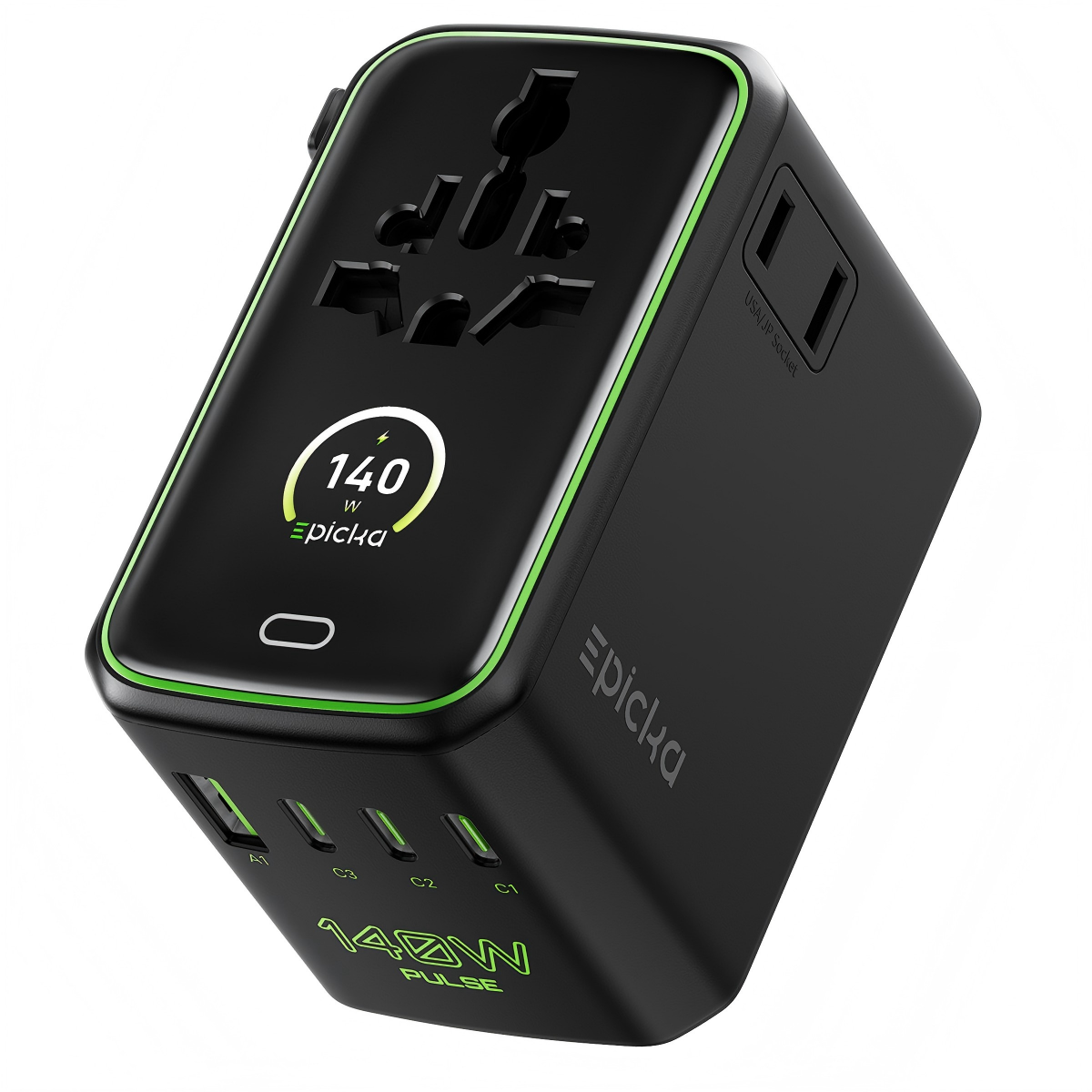
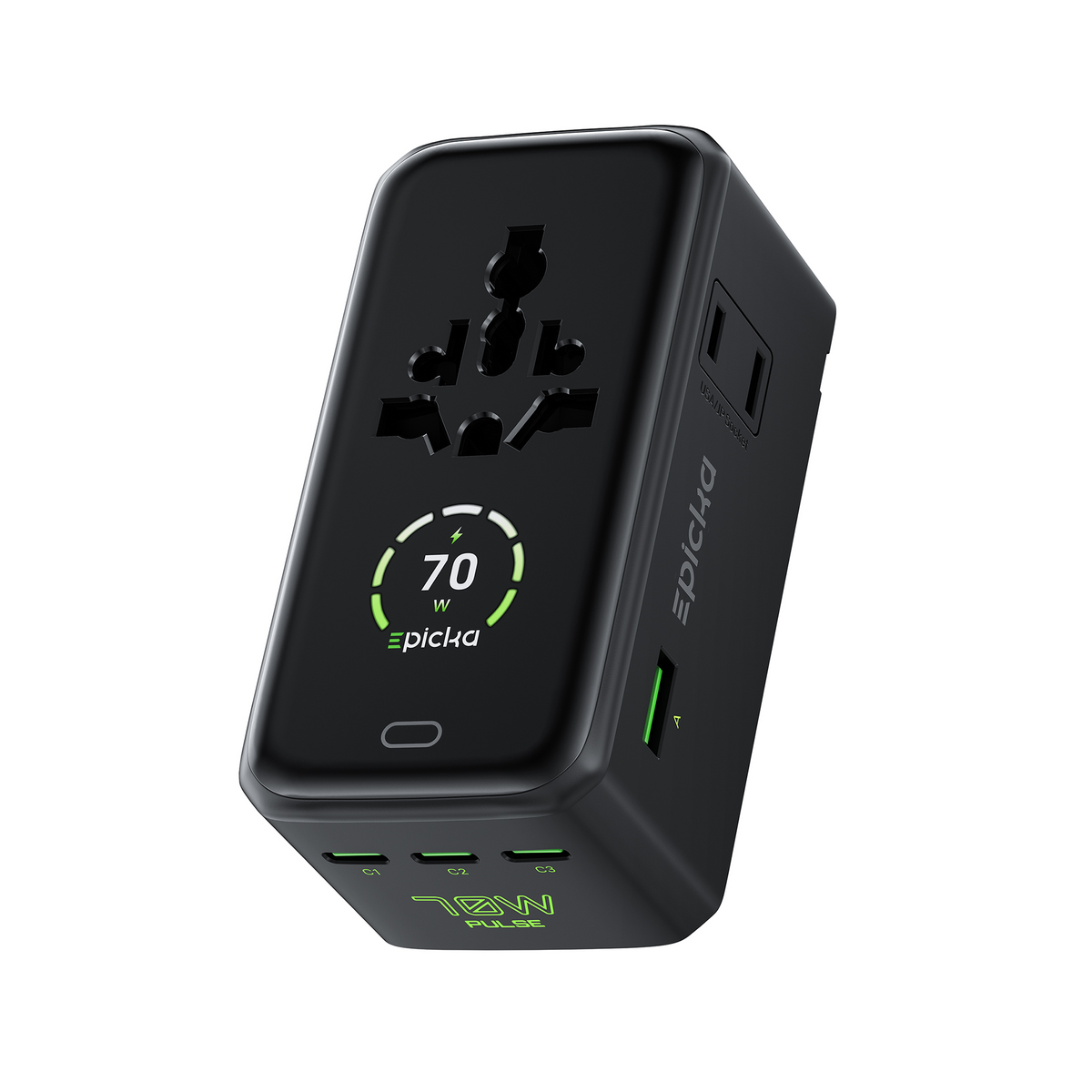
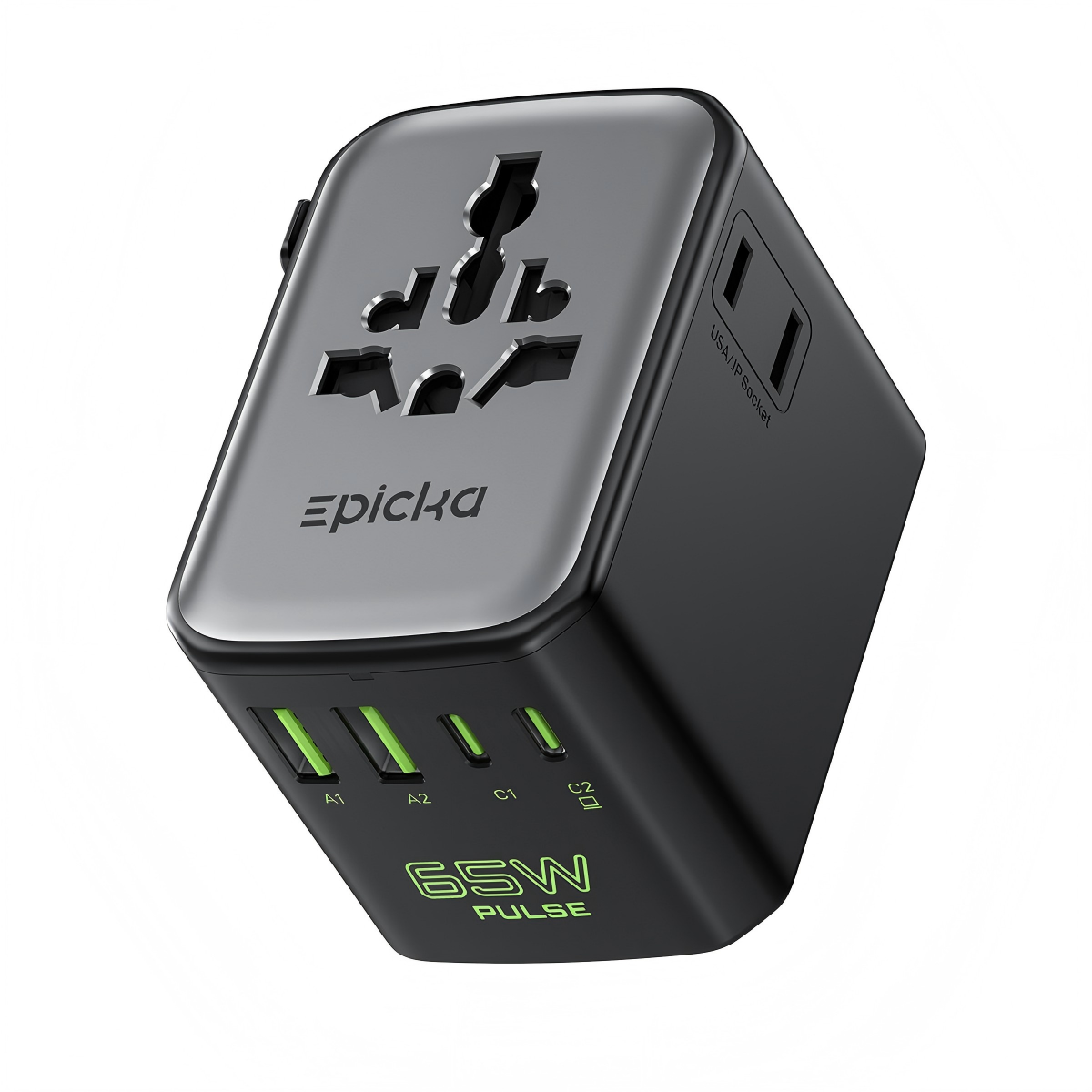
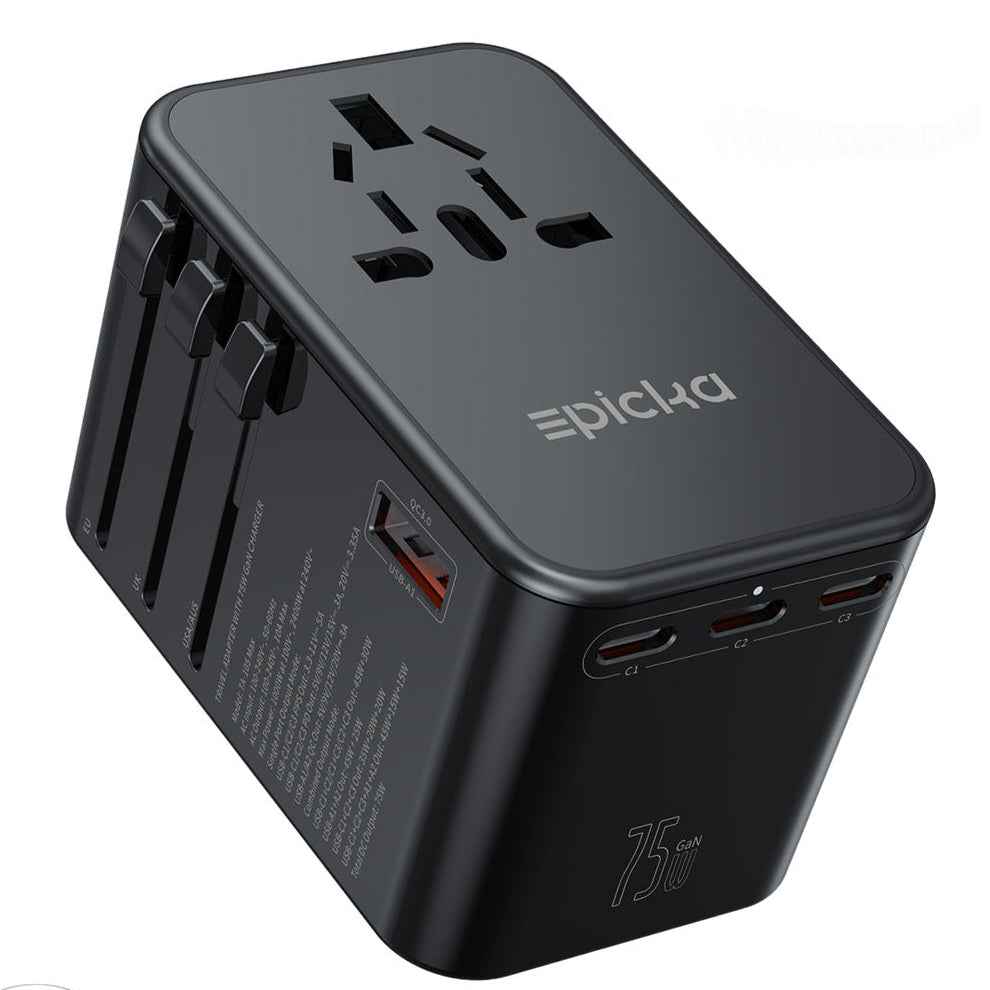
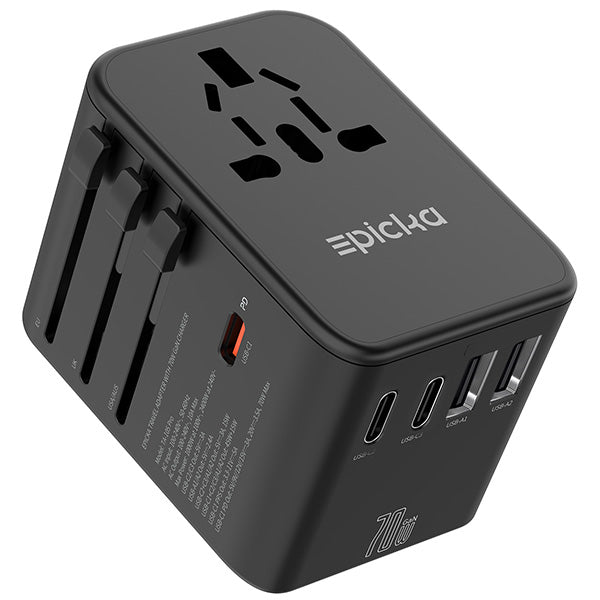
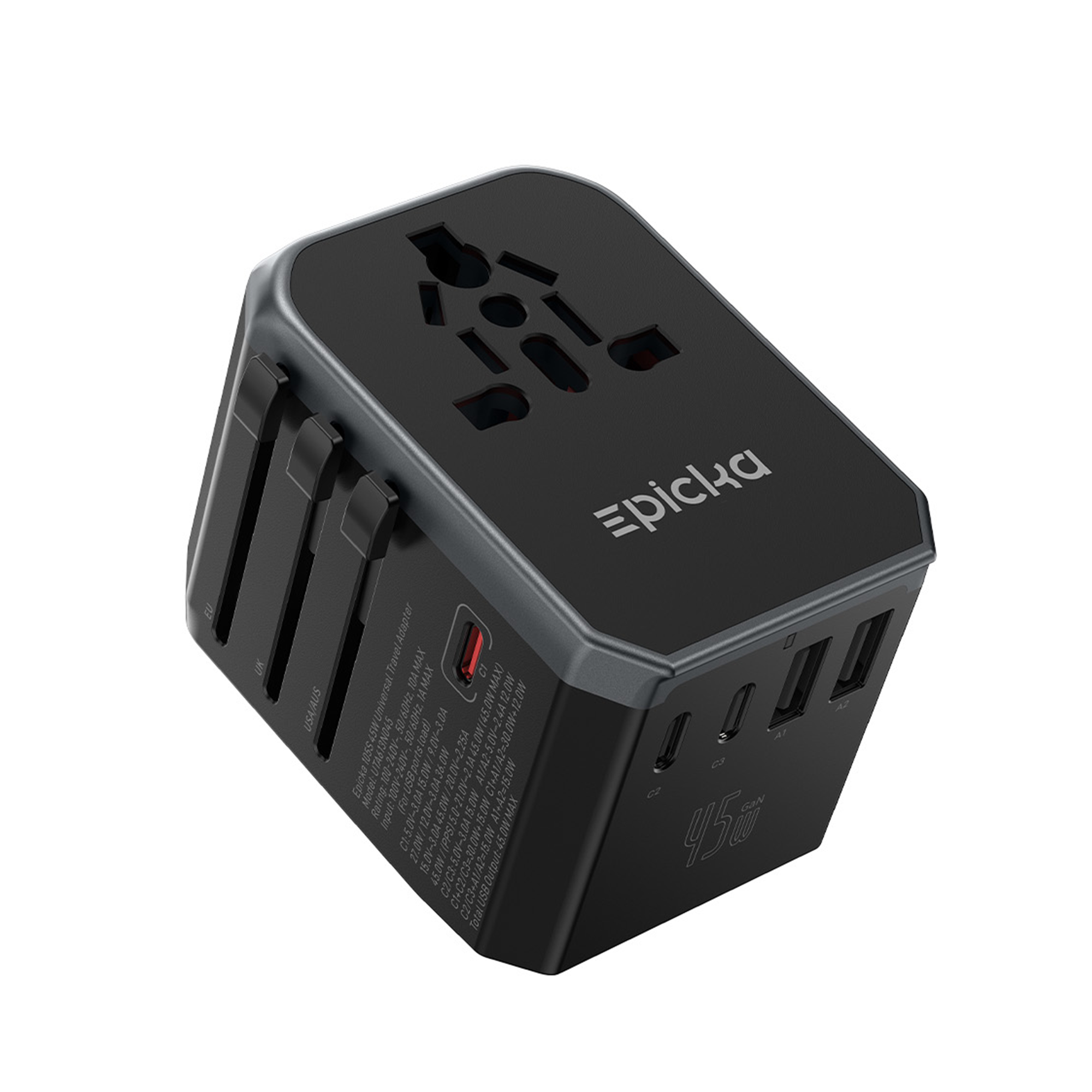
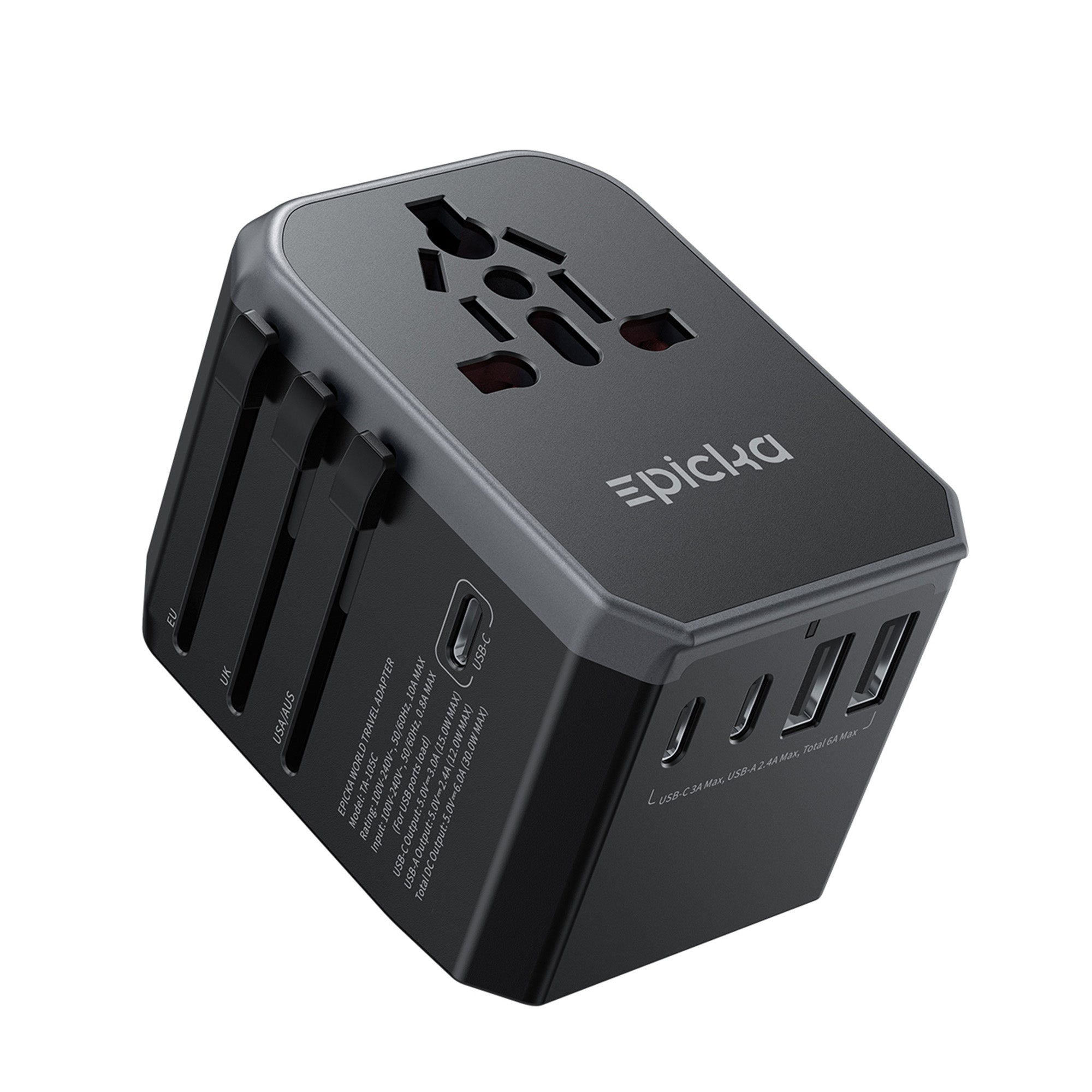
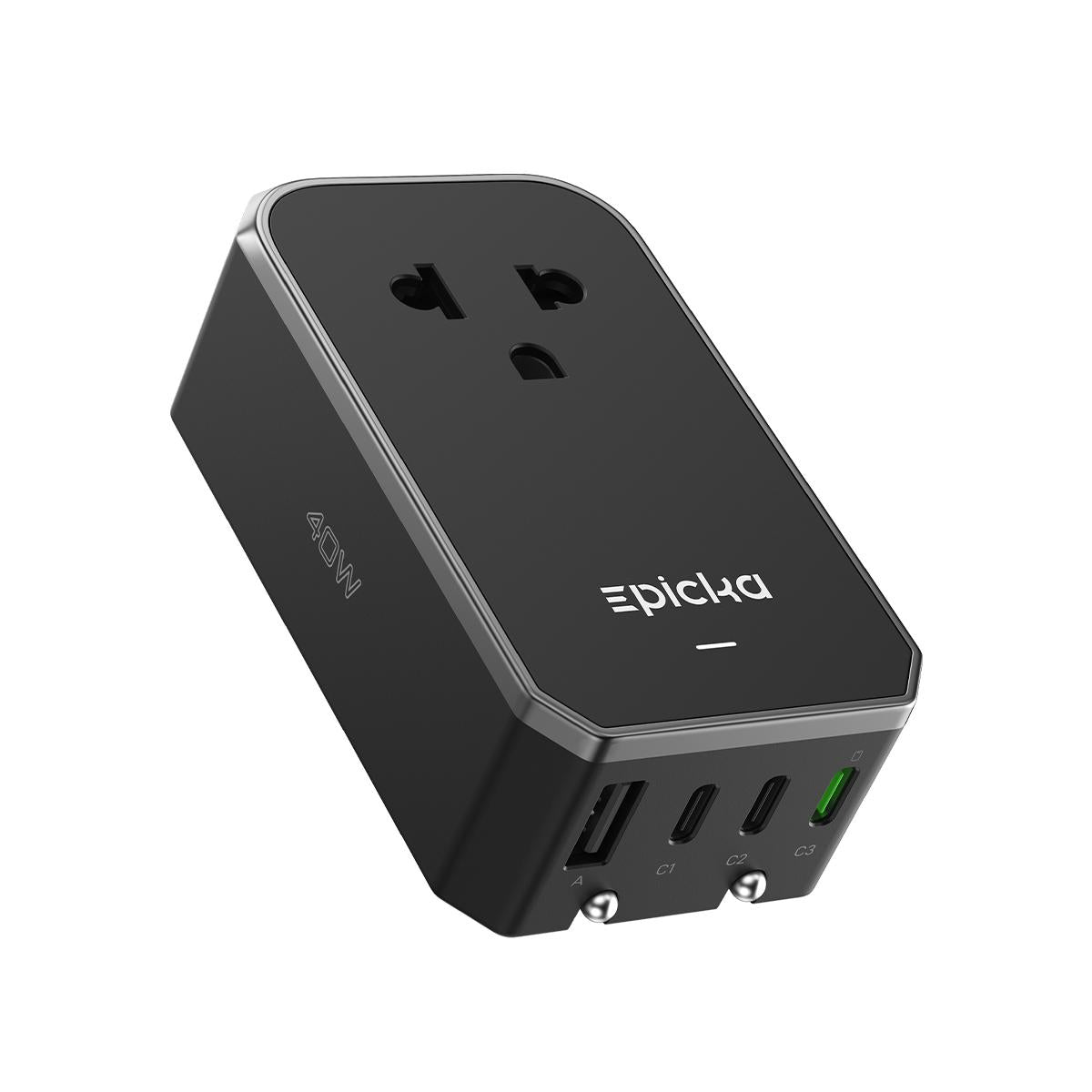
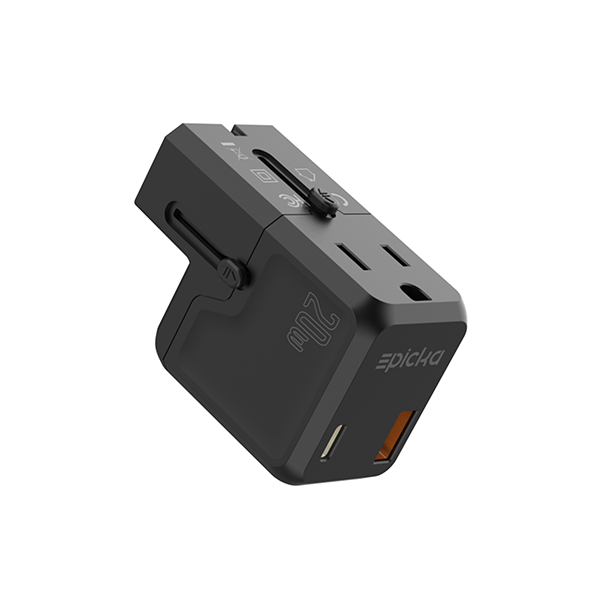
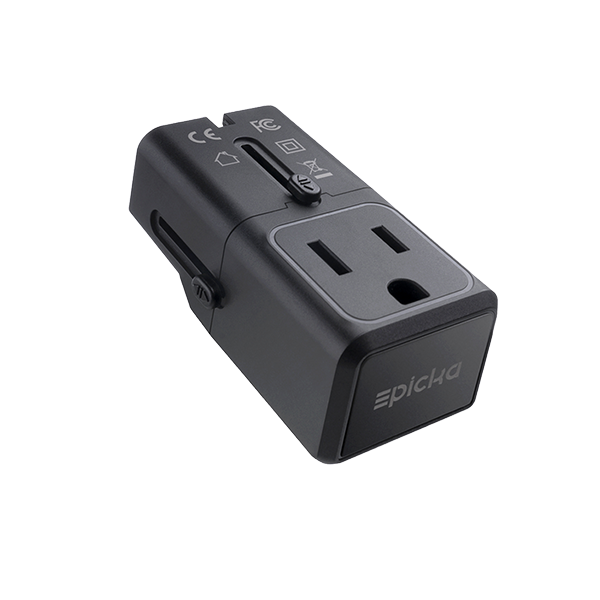
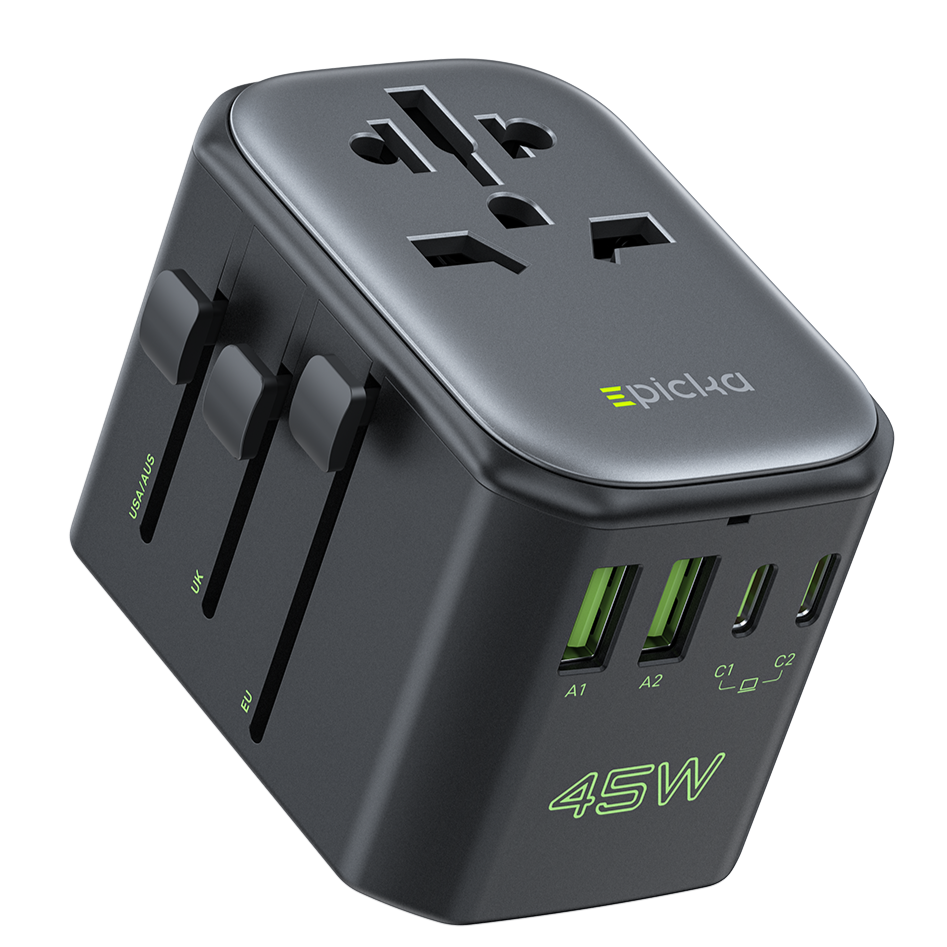
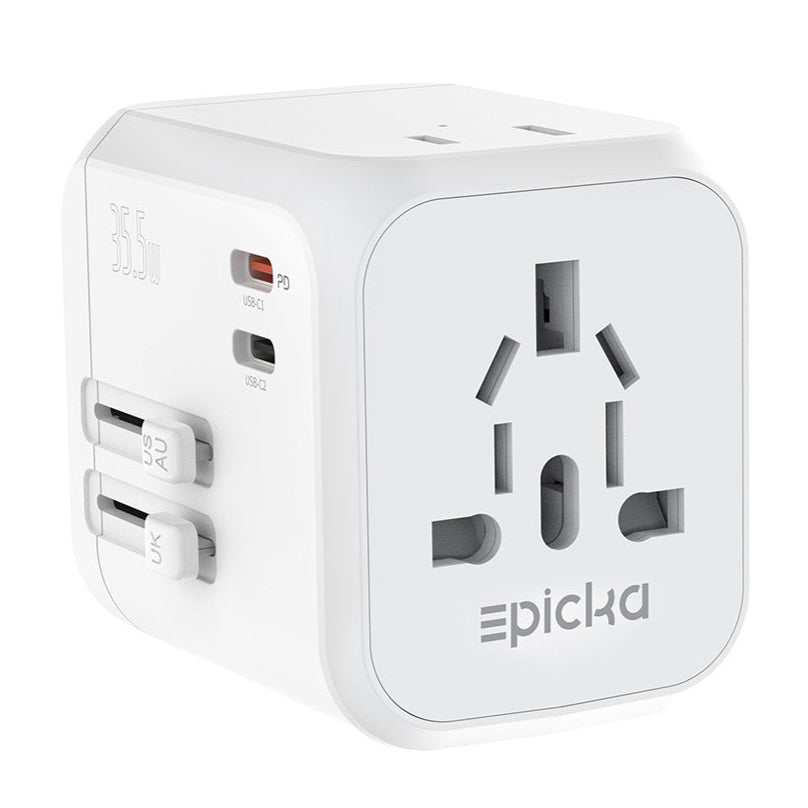
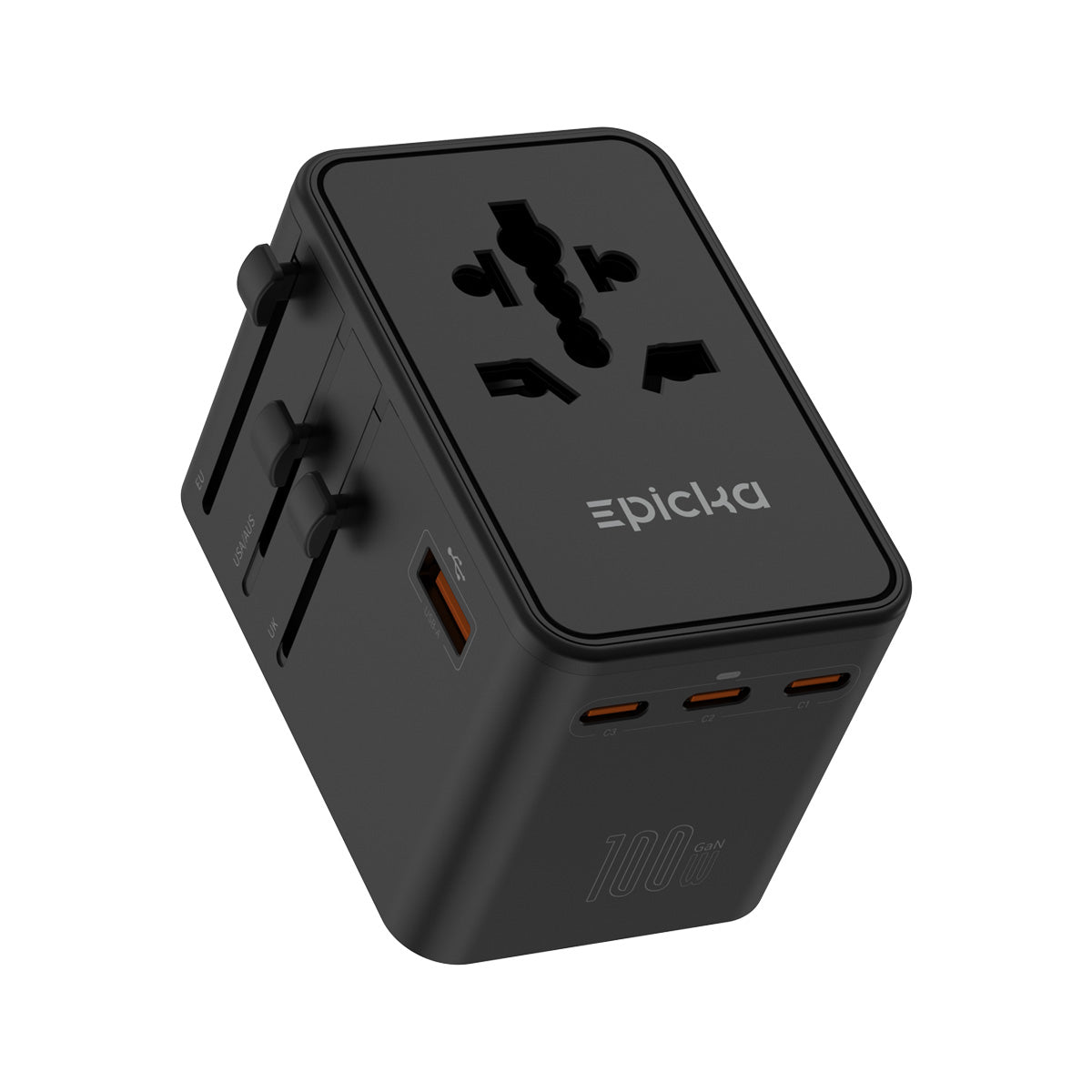
The EPICKA Air 40W does both in one compact unit. It covers continental Europe, the UK, Australia, China, and the US all in a single adapter that folds down small enough to fit in a jacket pocket. It also has USB-C and USB-A ports built in with up to 40W fast charging. For many travelers, it can replace a separate USB charger while also serving as a universal travel adapter, instead of packing an adapter and a separate charging brick, you just pack this one thing. (One reminder: like all travel adapters, it only works for devices that auto-adjust to different voltages. It is not a converter.)
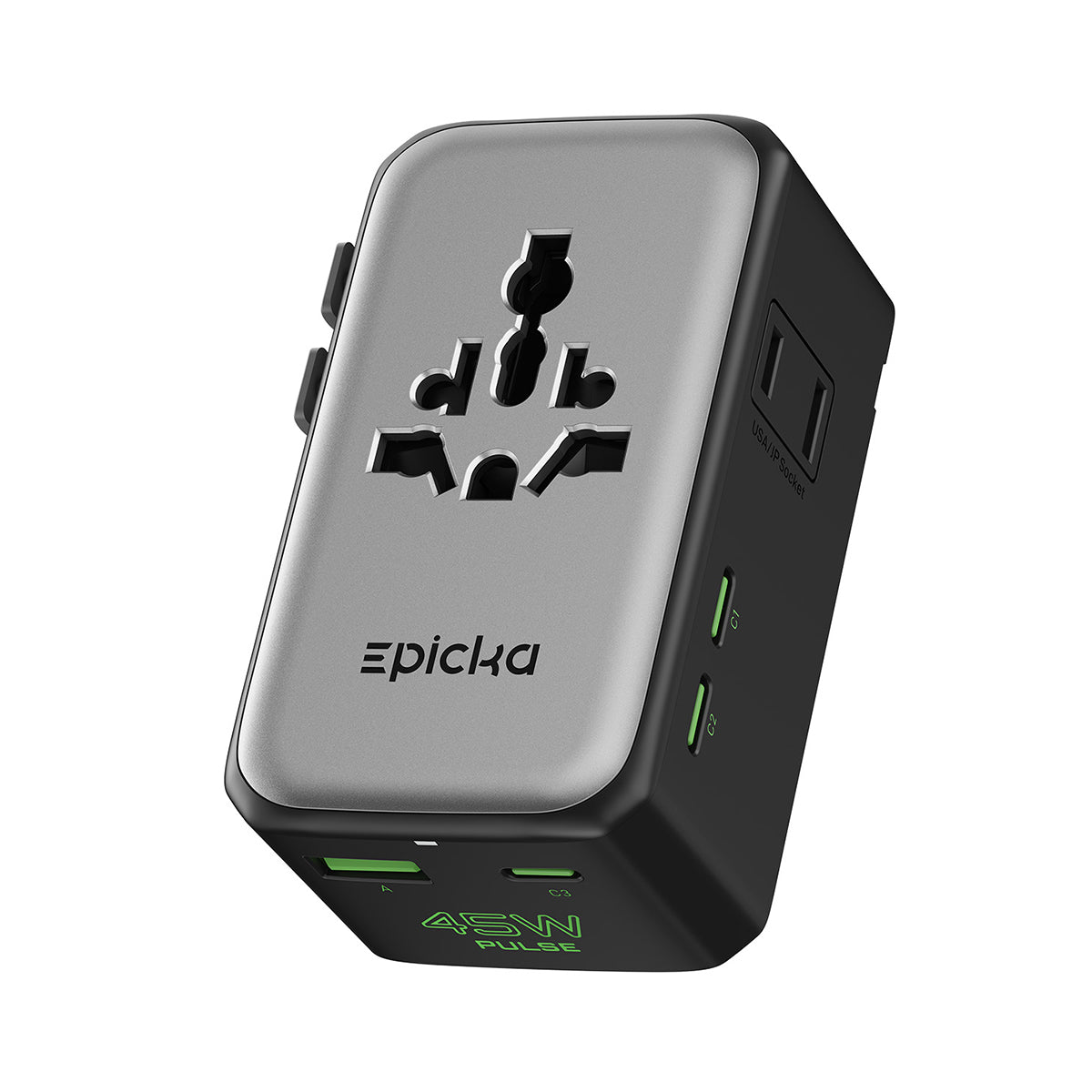
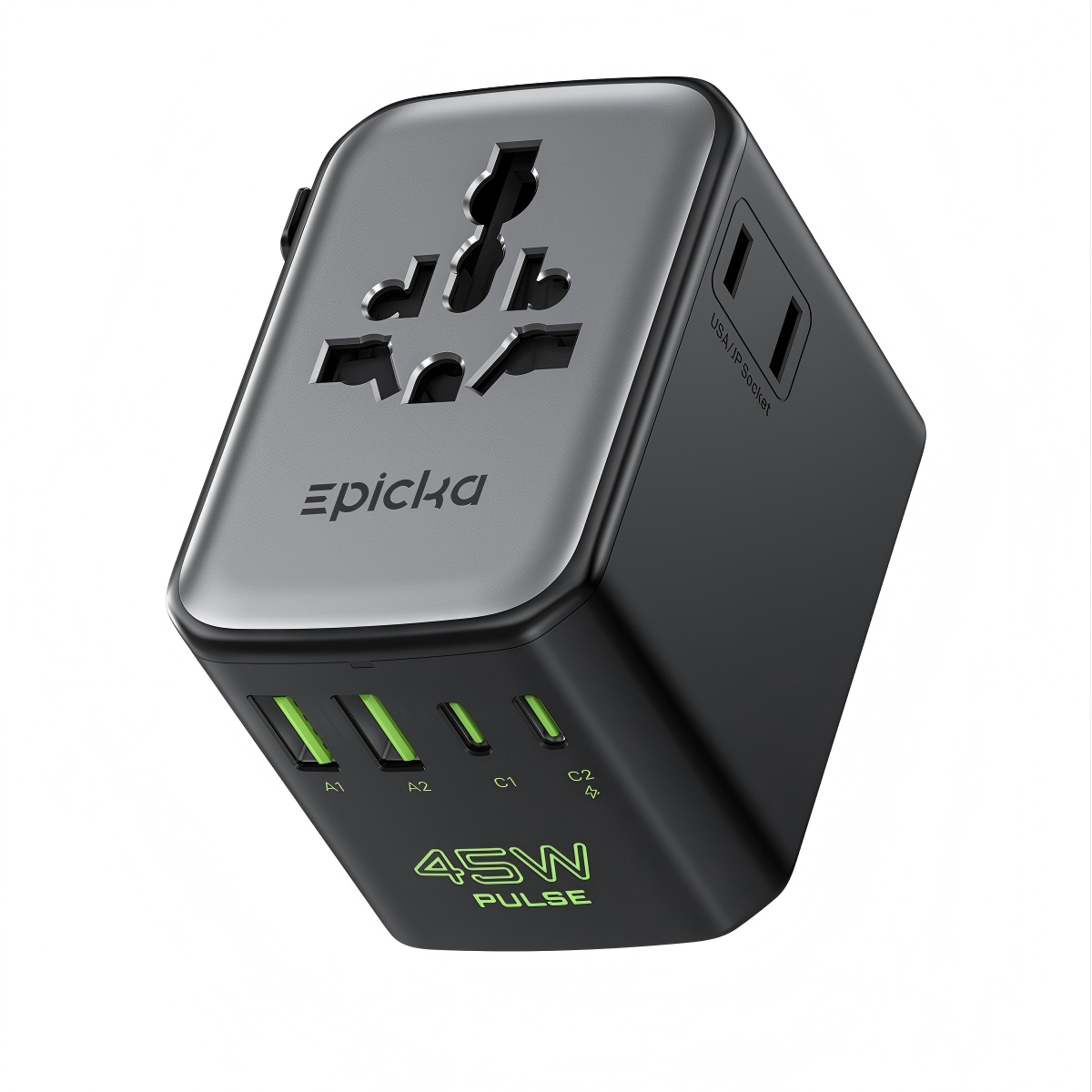
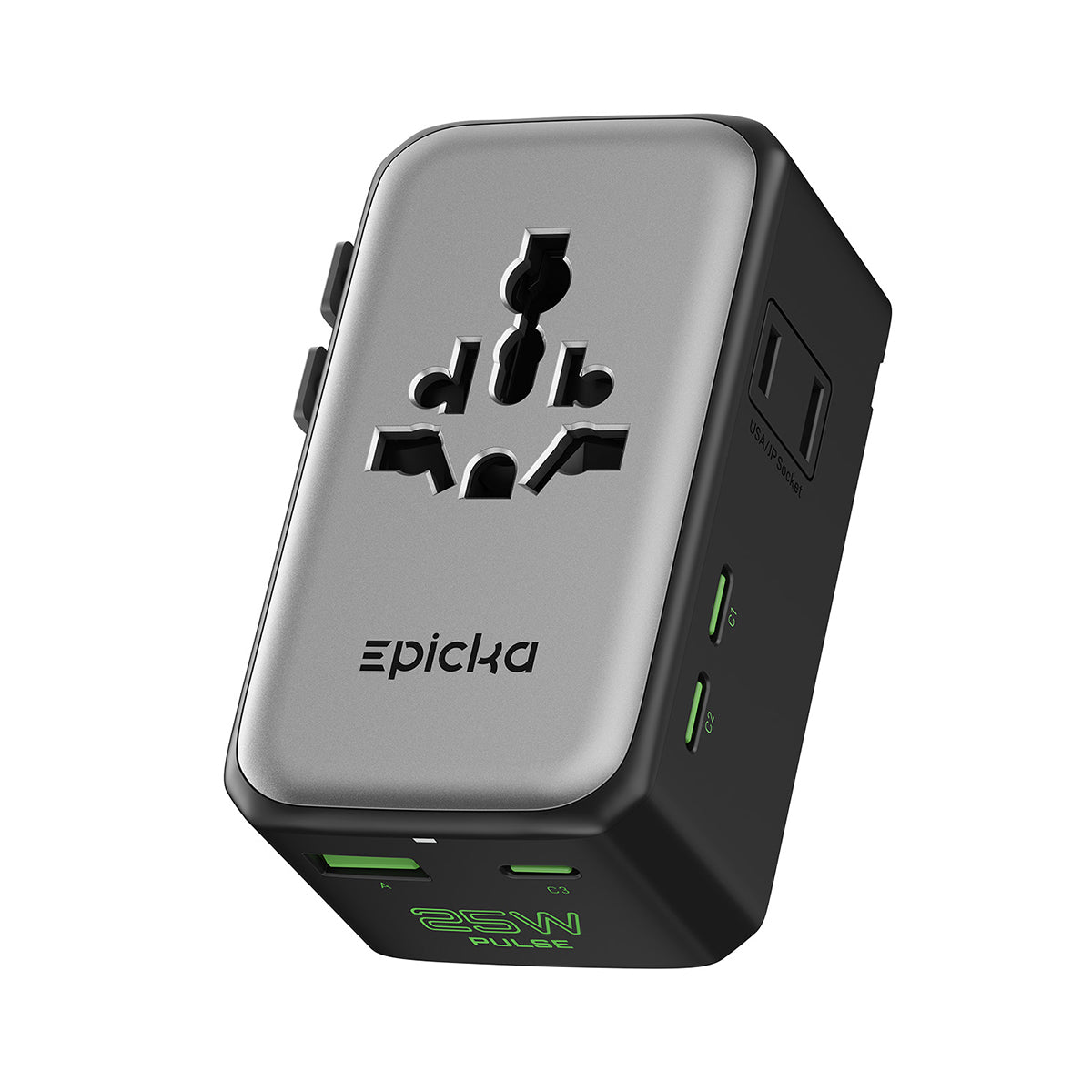
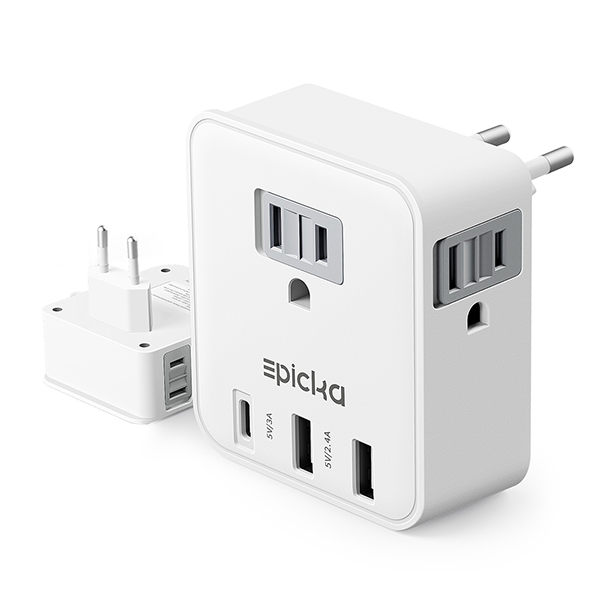
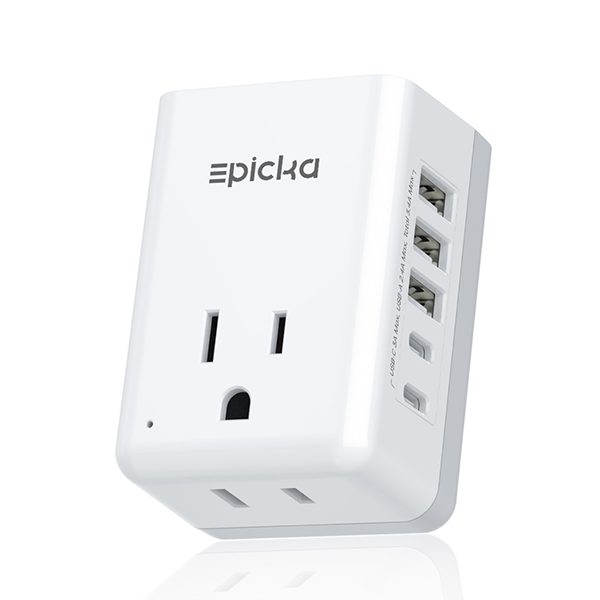
If you're traveling with a partner or just have a lot of devices to charge overnight, the EPICKA Pulse Duo turns a single European outlet into a full charging station.

Quick Decision Guide
| What the Label Says | What It Means | What You Need |
|---|---|---|
| 100-240V | Your device is dual-voltage | Travel Adapter Only |
| 120V only | Your device is designed for US voltage only | Voltage Converter |
| Not sure | Don't guess | Check the manufacturer's website or manual first |
Still deciding?
Dual-voltage devices (100-240V): choose a travel adapter like EPICKA Air 40W.
Single-voltage heat tools (120V only): use the EPICKA 2000W Voltage Converter.
FAQ
What happens if I just use an adapter without a converter on a single-voltage device?
The device will receive full European voltage, roughly double what it's built for. Plugging a single-voltage device into a higher-voltage outlet may permanently damage the device and could create a safety hazard. Always verify your device's voltage rating before plugging it abroad. It's not worth the risk of anything you care about.
Is the UK the same as Europe for adapters?
Same voltage strength, completely different plug shape. Continental Europe uses round pins; the UK uses three rectangular pins. If you're visiting both on one trip, get a universal adapter rather than two separate ones.
Do I need an adapter for every country in Europe?
One good universal adapter covers almost everywhere. Some countries, including Switzerland and parts of Italy, use different plug types. A quality universal travel adapter is designed to support these variations.
Can I buy an adapter when I land in Europe?
Yes, most airports and electronics shops sell them. But they'll cost significantly more than buying one before you leave, and you'll want it the moment you check into your hotel, not after you've found a shop.
Note: Always check your device's voltage rating before international travel. When in doubt, refer to the manufacturer's instructions or product manual to confirm whether your device supports dual voltage or requires a voltage converter.
Adapter or Converter? Here's the Simple Rule
If you're packing a phone and a laptop, grab a travel adapter and don't overthink it. If you're packing a hair dryer, check the fine print on it first, and if it shows only one voltage number, leave it at home or bring a converter.
Explore the EPICKA lineup: Air 40W Adapter | Pulse Duo 45W | Pulse Duo 65W | Pulse Duo 140W | 2000W Voltage Converter
Leave a comment
This site is protected by hCaptcha and the hCaptcha Privacy Policy and Terms of Service apply.