
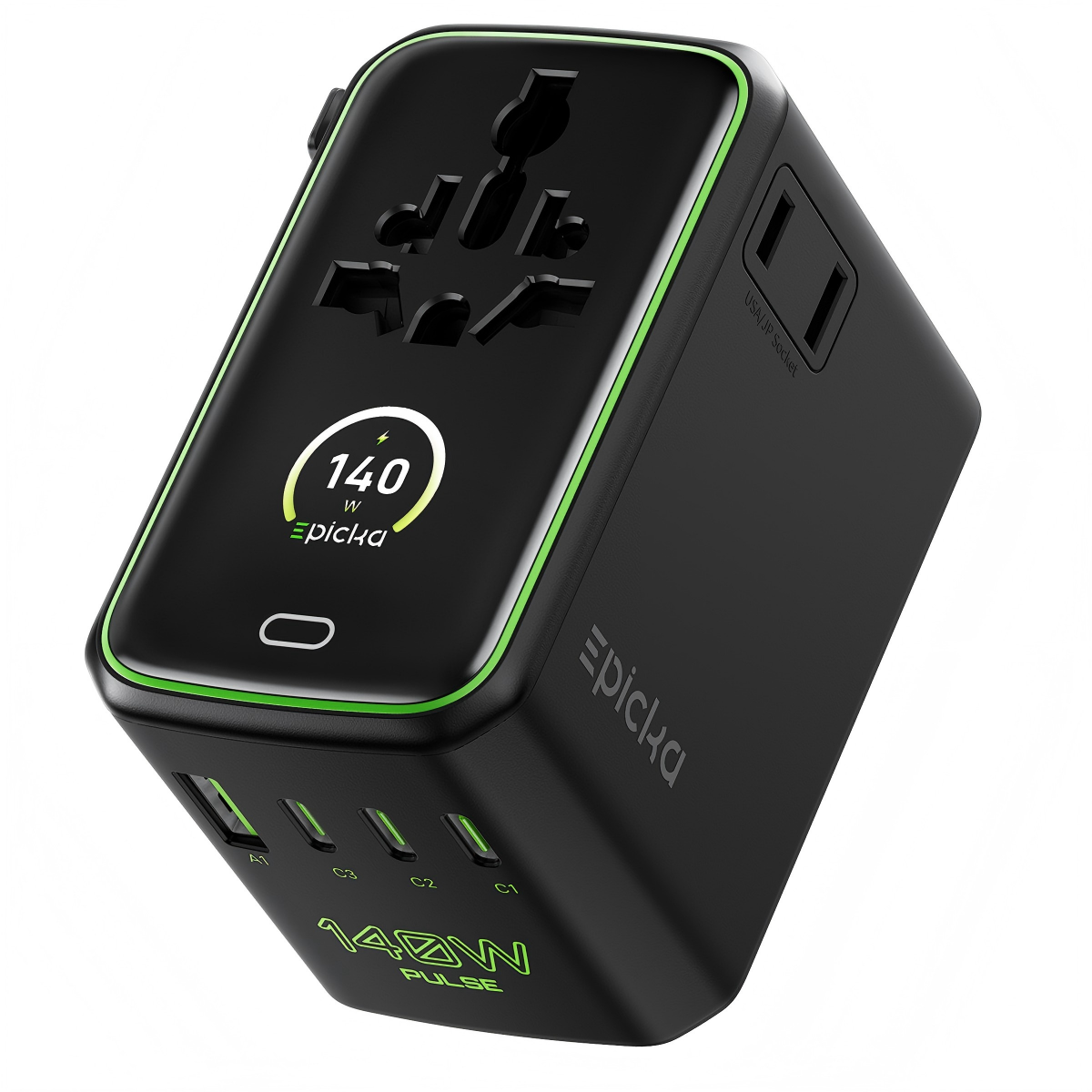
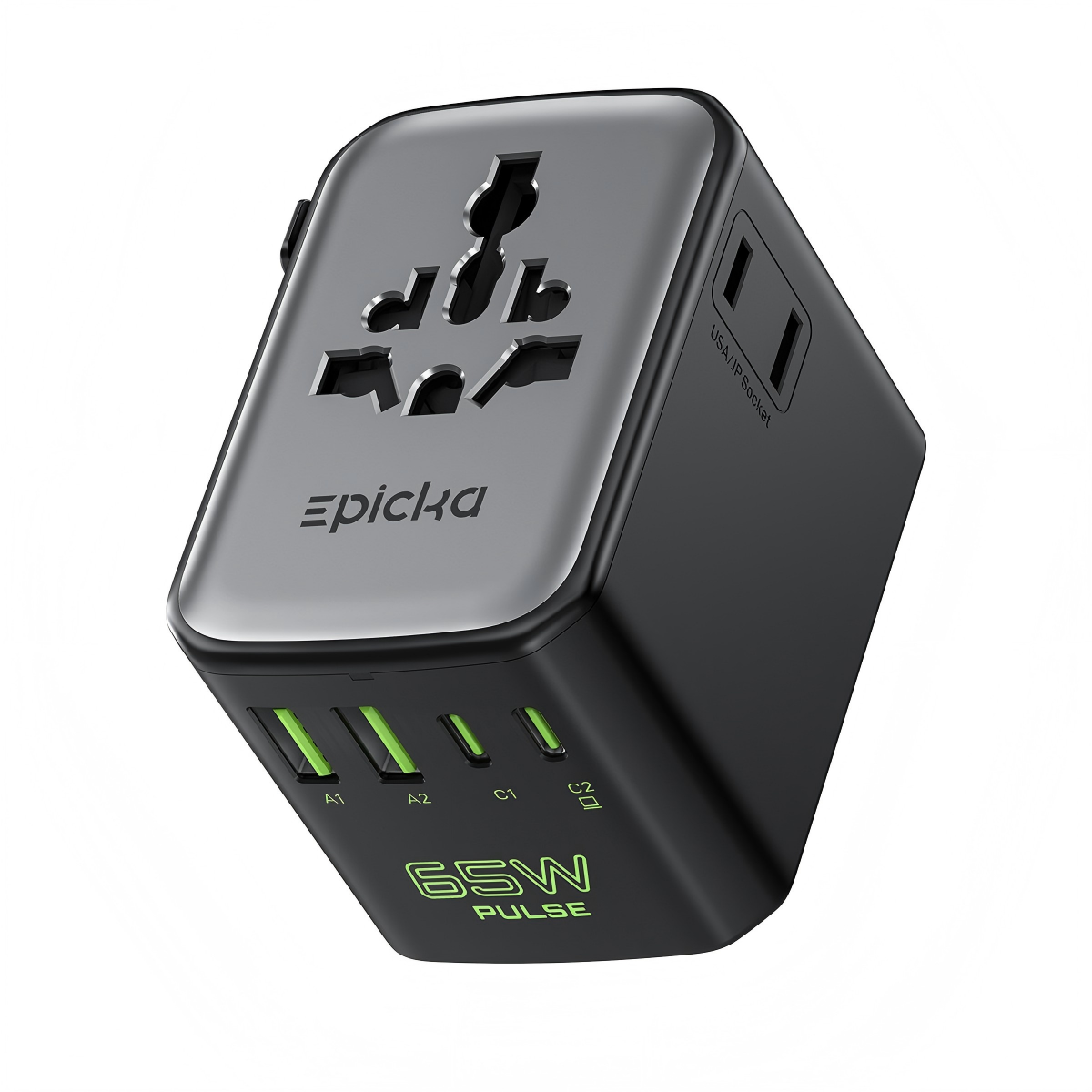
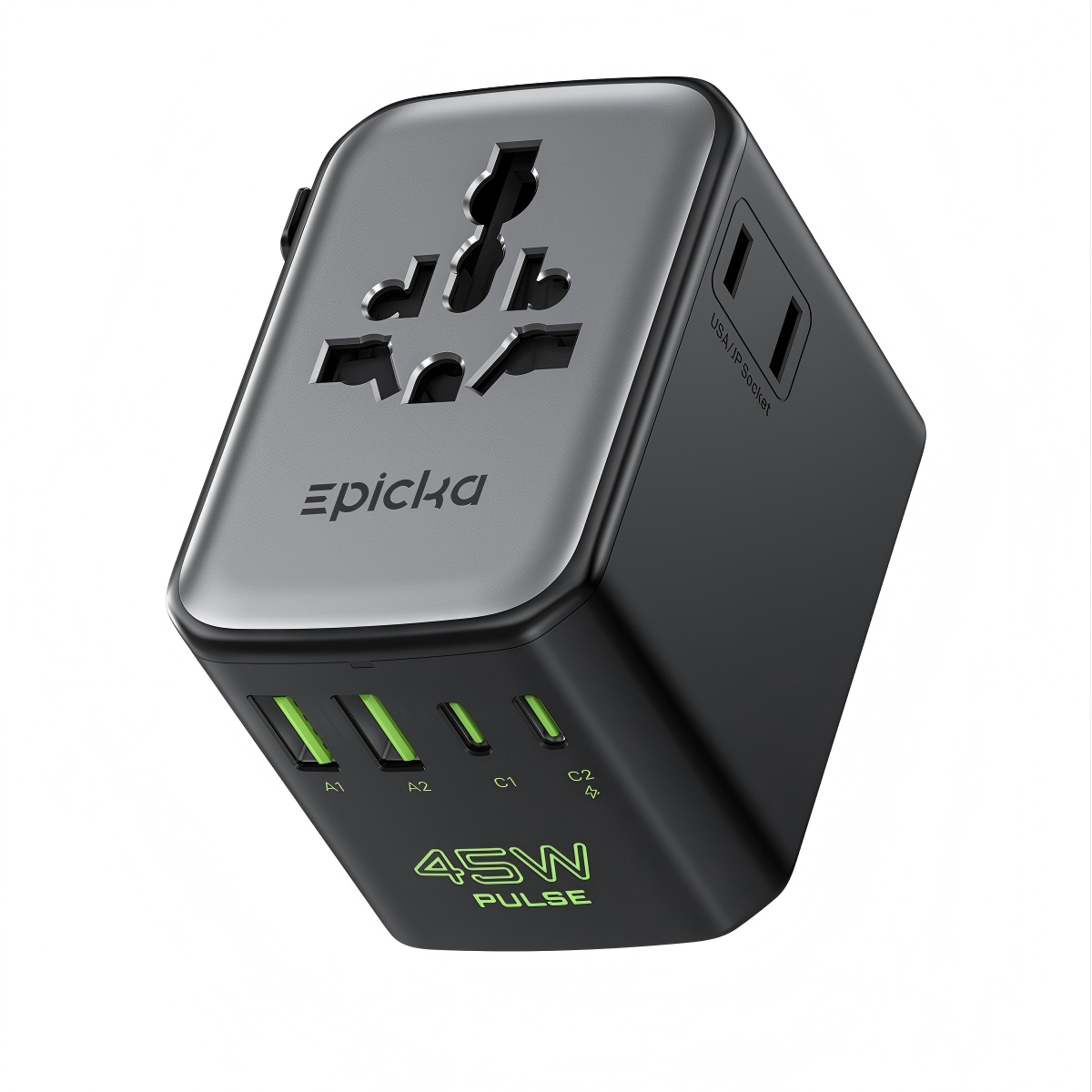
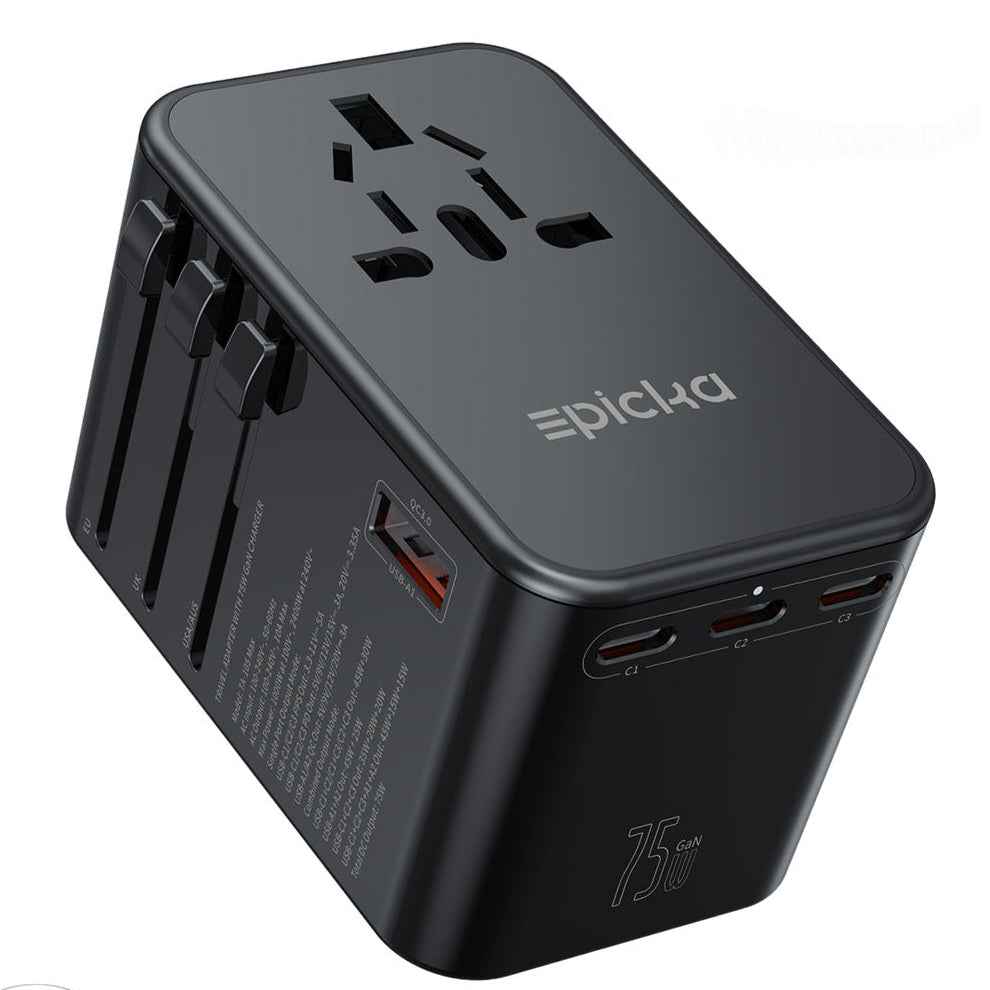




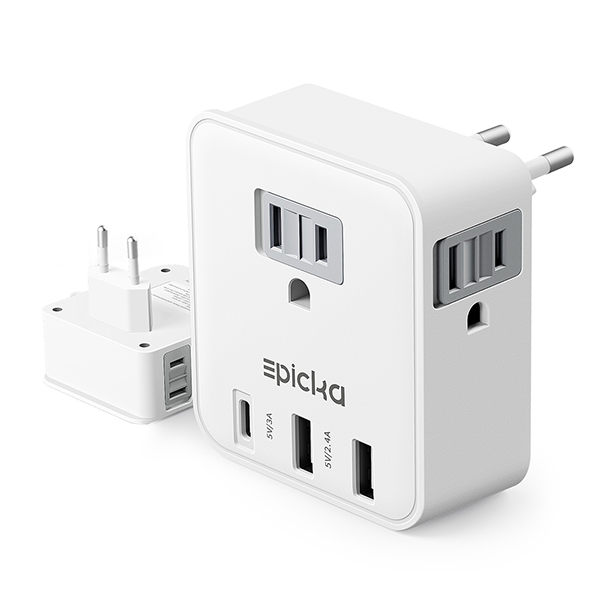
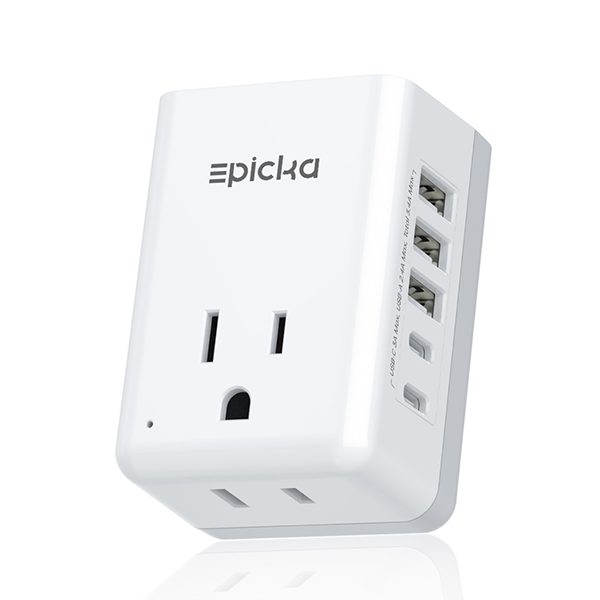
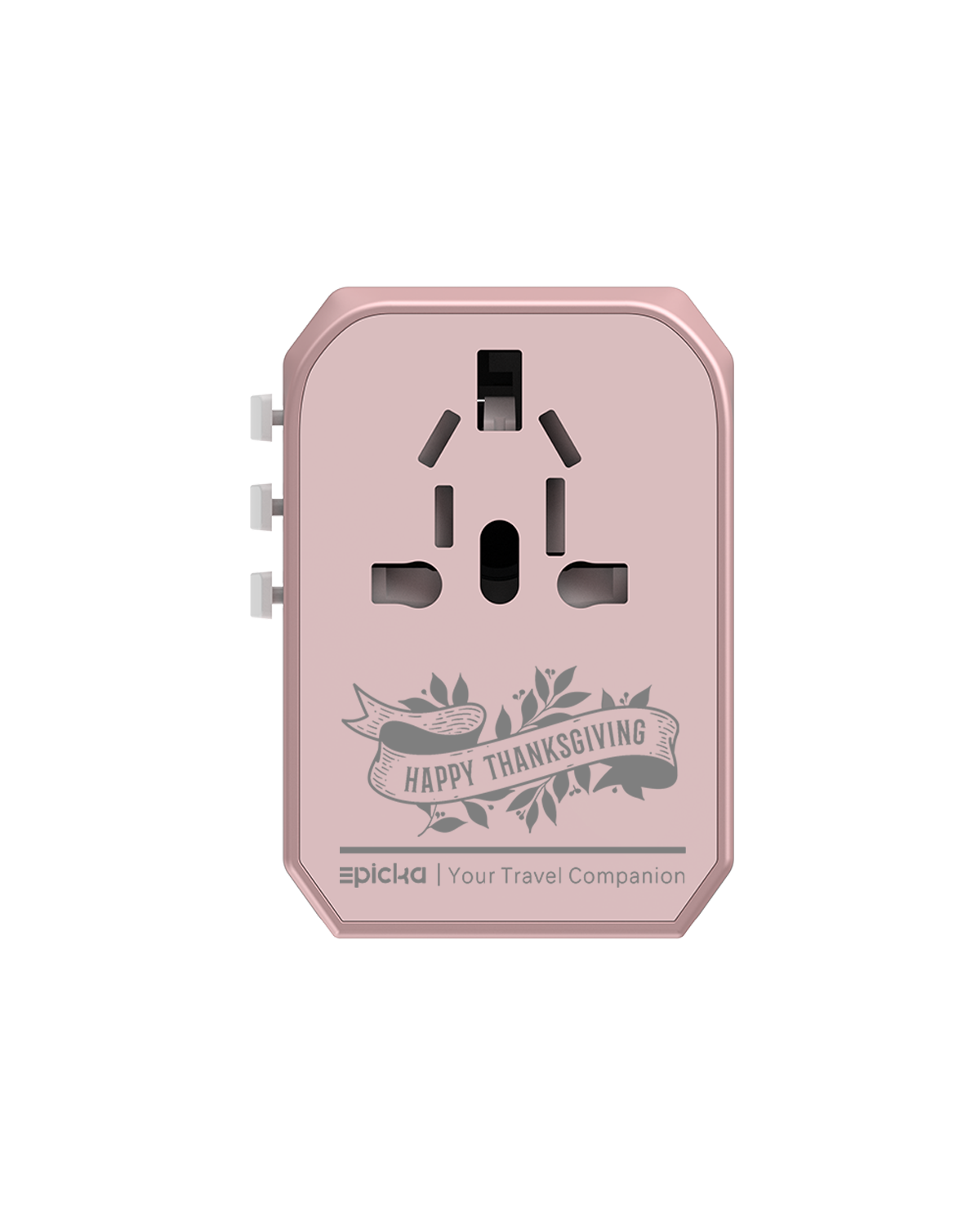

The most stressful part of packing isn’t usually the clothes — it’s the tangle of cables and the fear of a dead battery in a foreign country. Why did you bring 50 cables, but only one can fast-charge your laptop? Why doesn’t your plug fit the hotel socket?
To solve these pain points, we’ve developed a “Travel Charging Audit” methodology. No guessing, just simple math to build a lightweight, efficient power center tailored to you.
Step 1: The Geography Check (Don’t Guess)
Before you buy anything, you need to know exactly what the wall socket looks like at your destination.
Modern travel charging is a triangle of Device, Charger, and Cable. But the wall socket dictates everything. Instead of frantically Googling conflicting information, use our official tool to get the definitive answer instantly.
👉 Try the Epicka Travel Adapter Finder
How it works:
- Select your destination: Going to London, Tokyo, or Rome?
- Get the match: The tool instantly tells you the Plug Type (A, C, G, etc.) and whether your US devices will physically fit.
- The “Japan Exception”: You’ll see that for Japan, you often don’t need a converter (Japan uses Type A sockets like the US).
- The “Multi-Standard” Rule: Countries like Vietnam support multiple plug types. Our Finder will guide you on the safest bet.
Stop guessing. Check the Finder first.
Step 2: The Wattage Audit
Don’t blindly chase “high power.” Precision beats raw power. Gather every electronic device you plan to take abroad and perform a Power Audit.
You need to calculate your Maximum Simultaneous Charging Wattage.
Example: The Content Creator’s Loadout
- MacBook Pro: 100W
- Smartphone: 30W
- Camera: 30W
- Wireless Earbuds: 15W
- Power Bank: 18W
- Total Demand: ~193W (assuming you charge everything overnight).
This number dictates which path you take in Step 3.
Step 3: The Fork in the Road
Based on your audit, you fit into one of two categories:
Path A: The Lightweight Traveler (< 75W)
- Who: 95% of travelers (Phone + Tablet + Earbuds + maybe a light laptop).
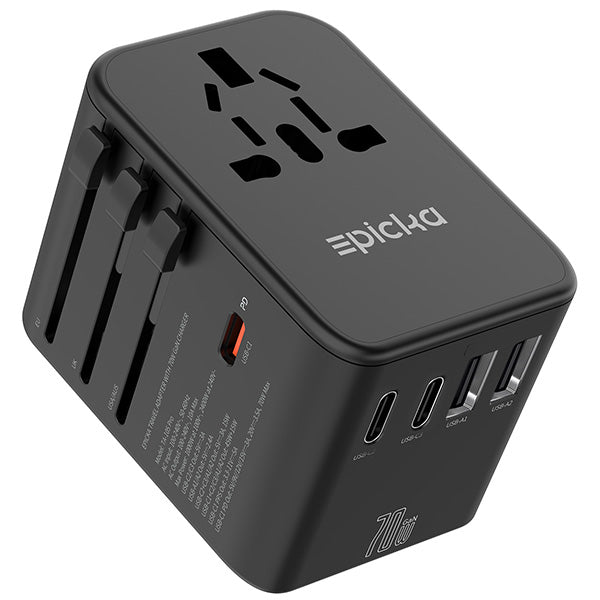
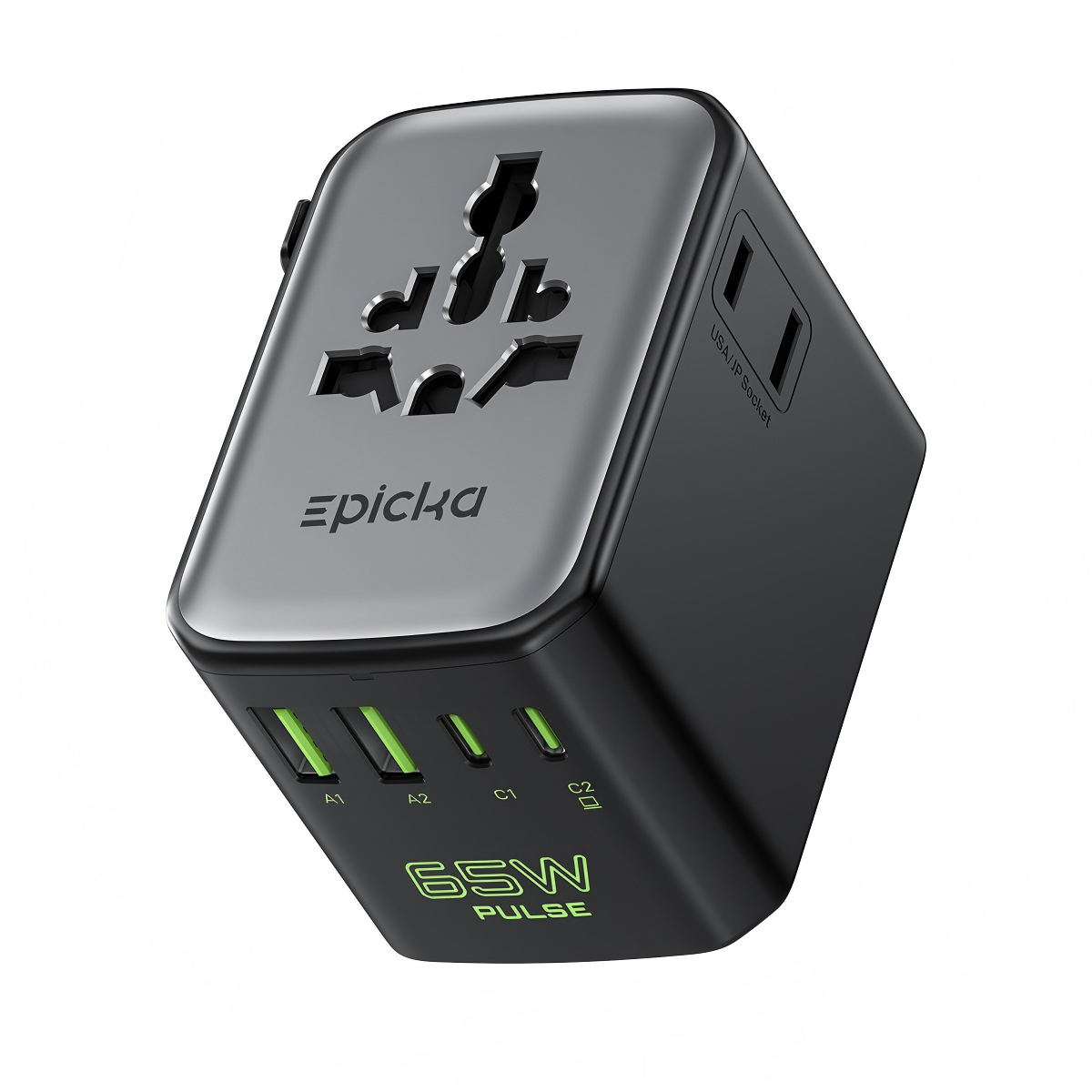
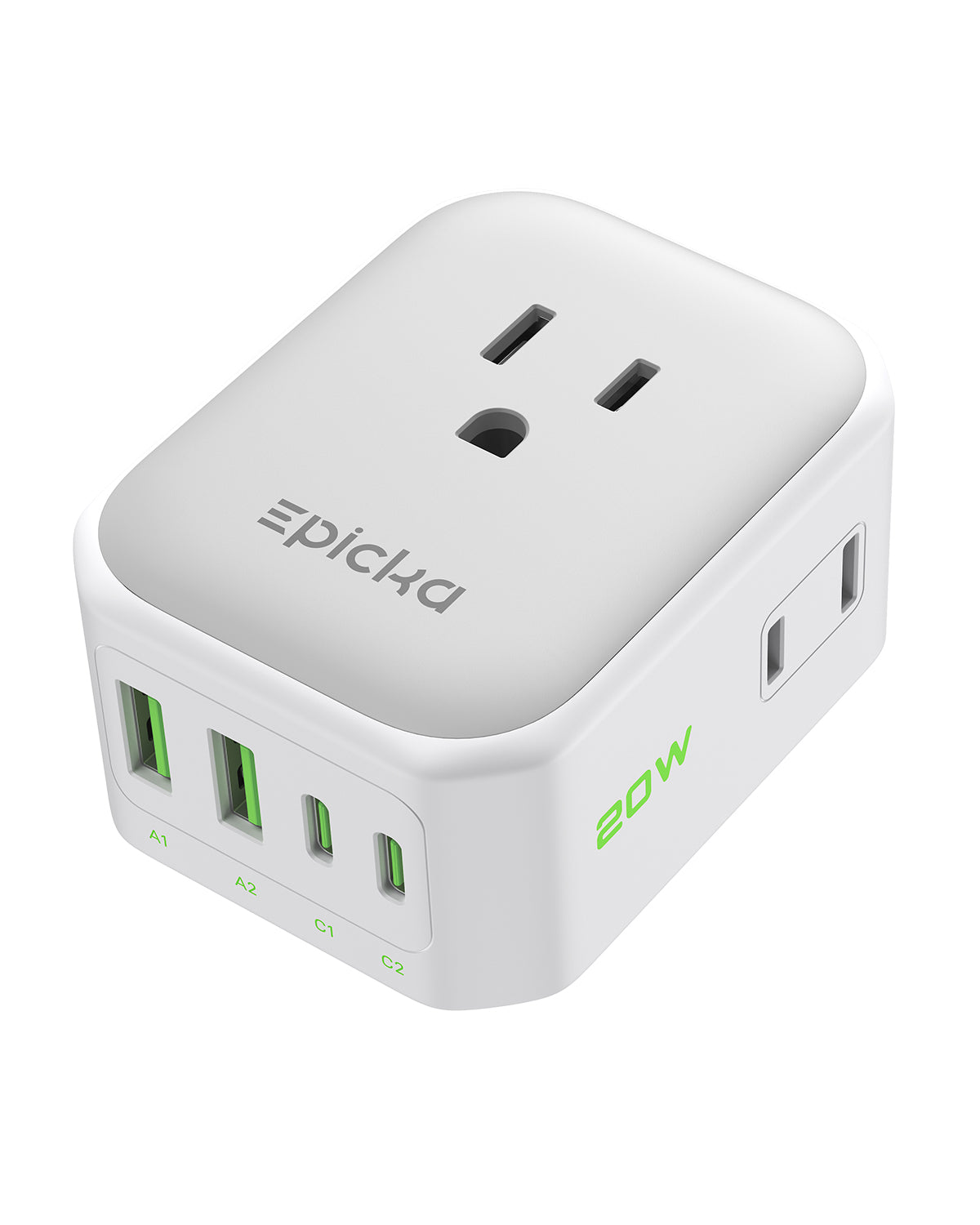
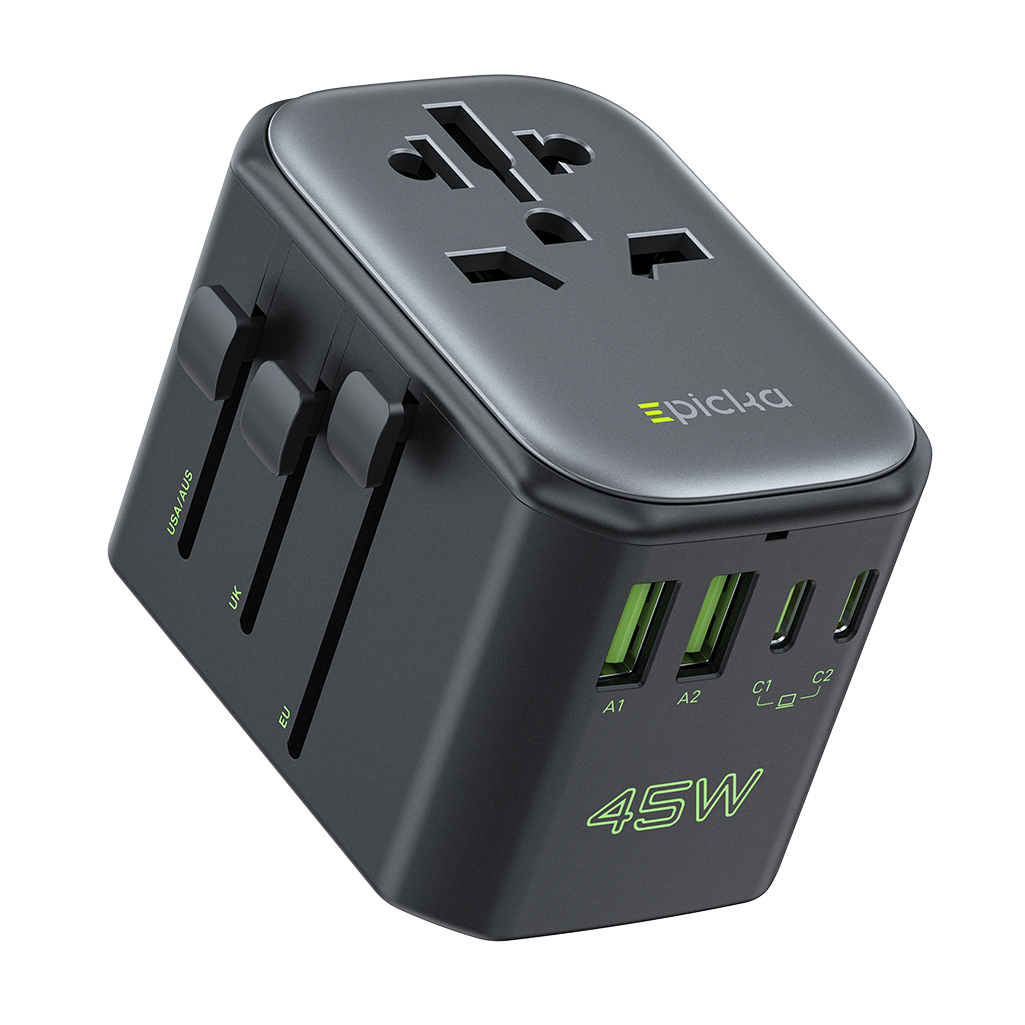
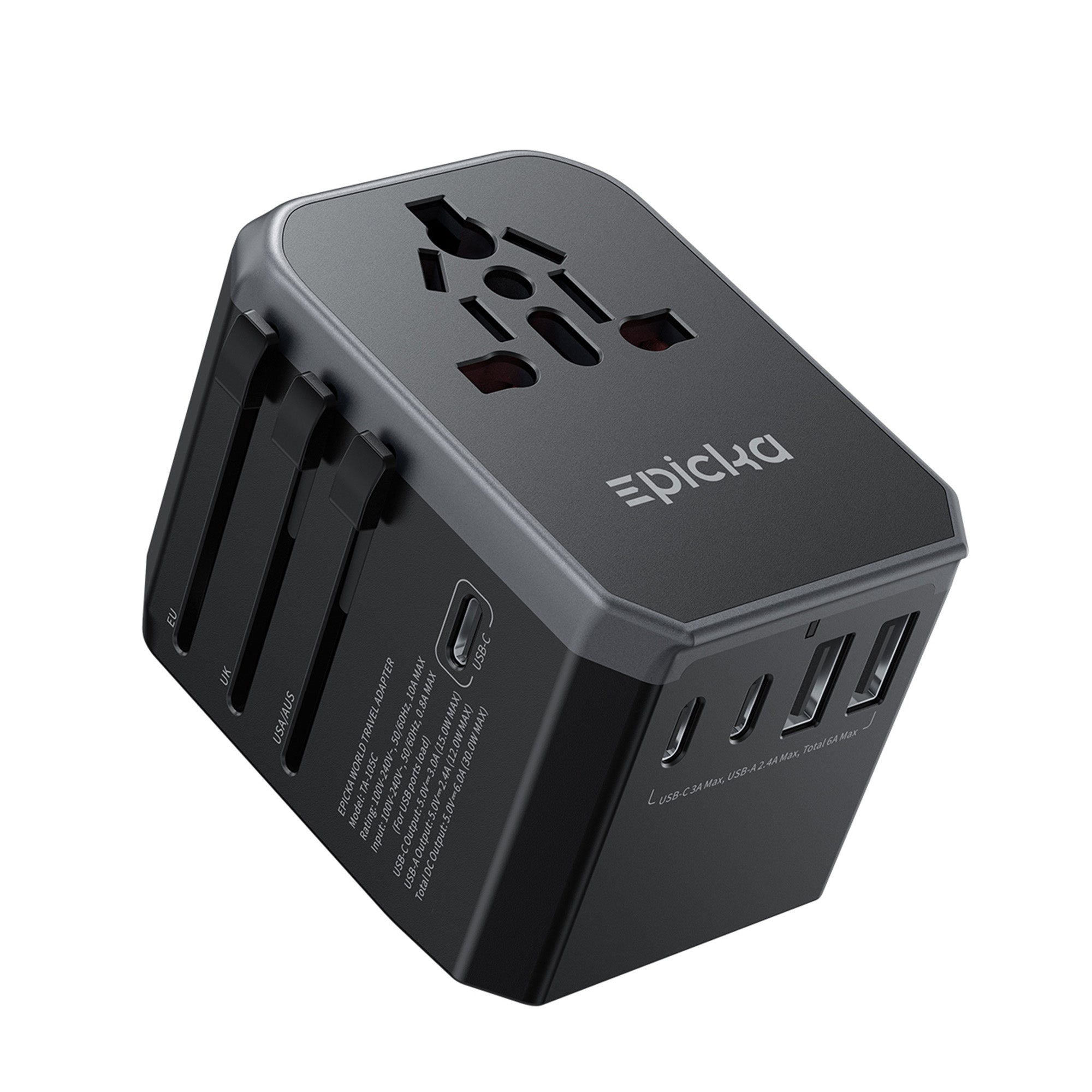
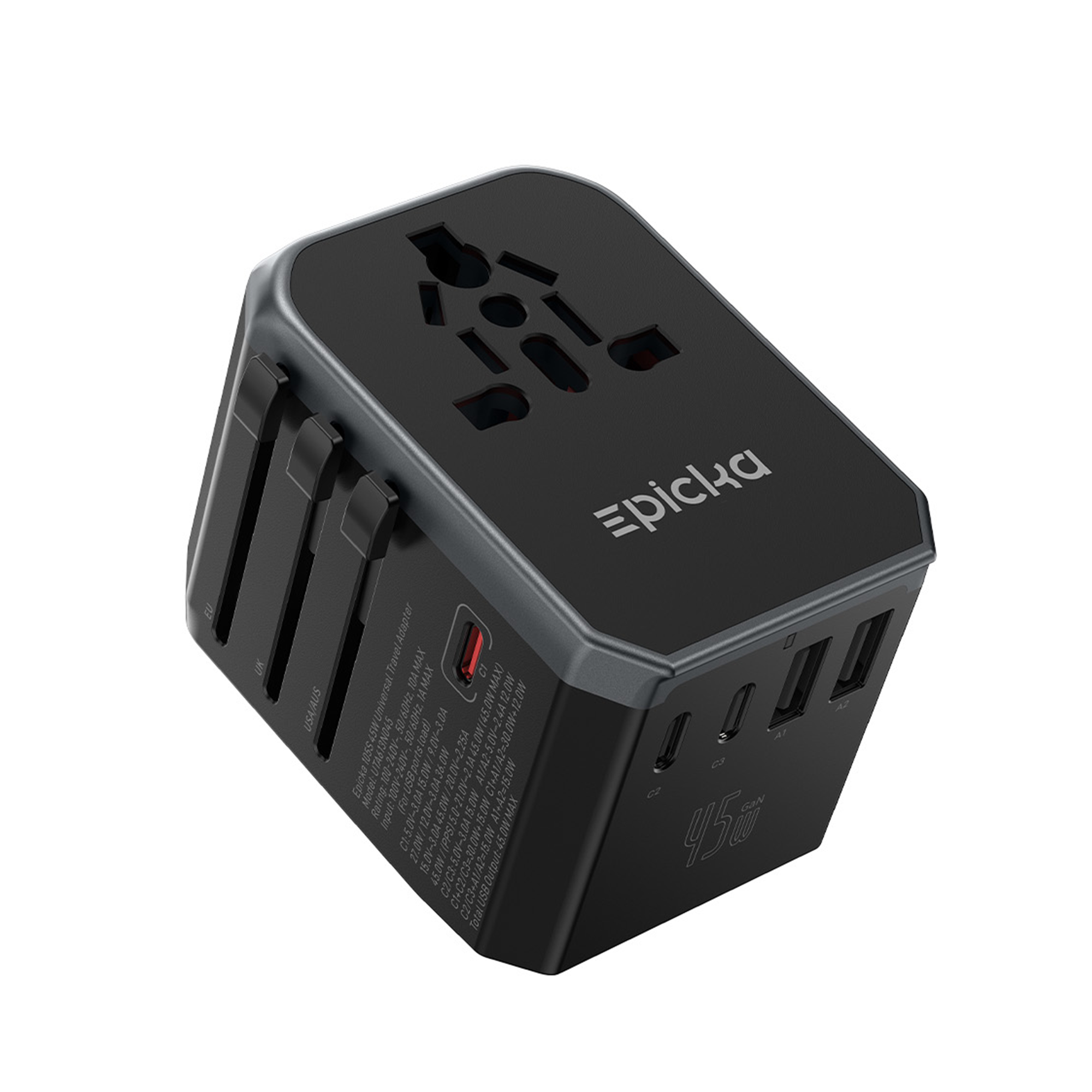
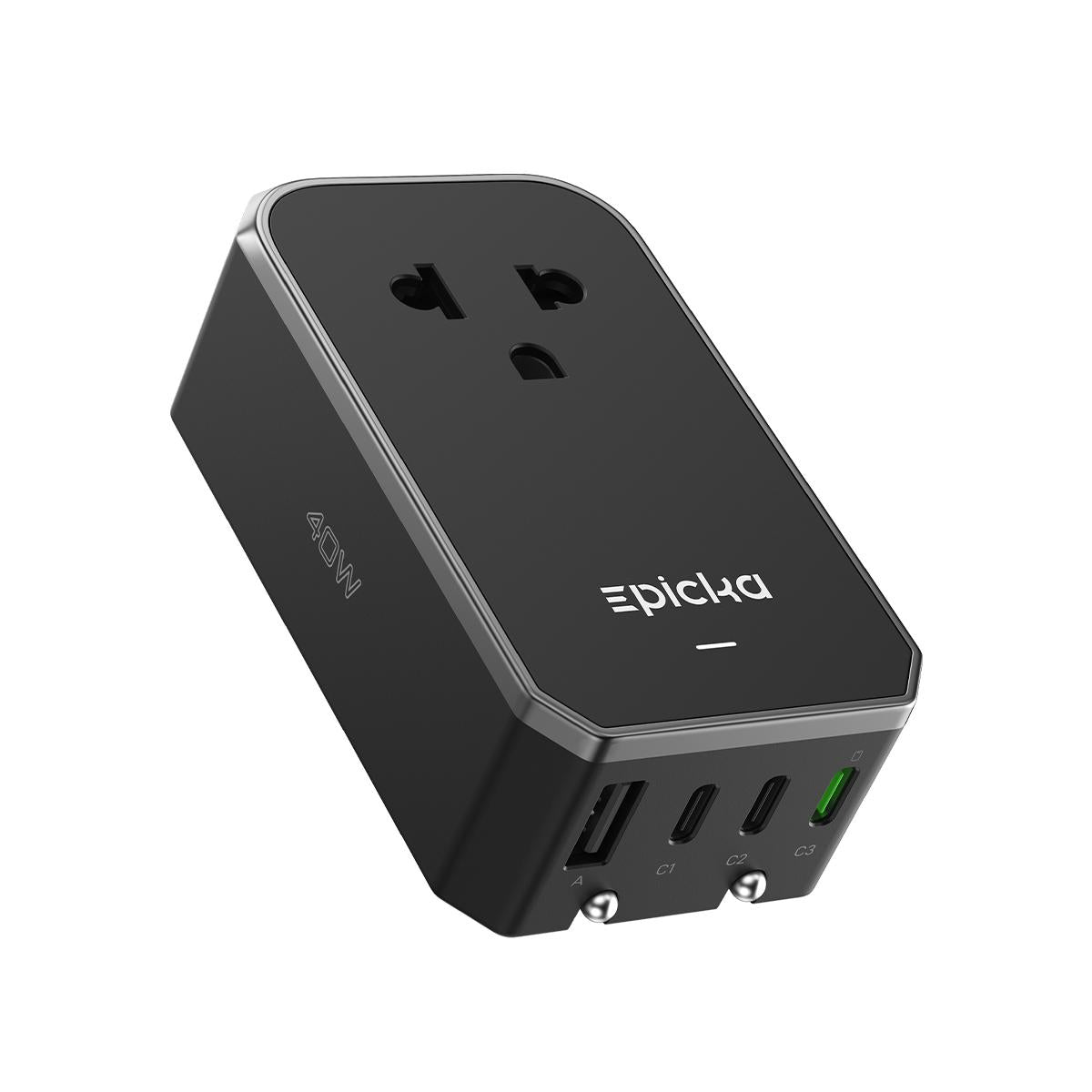
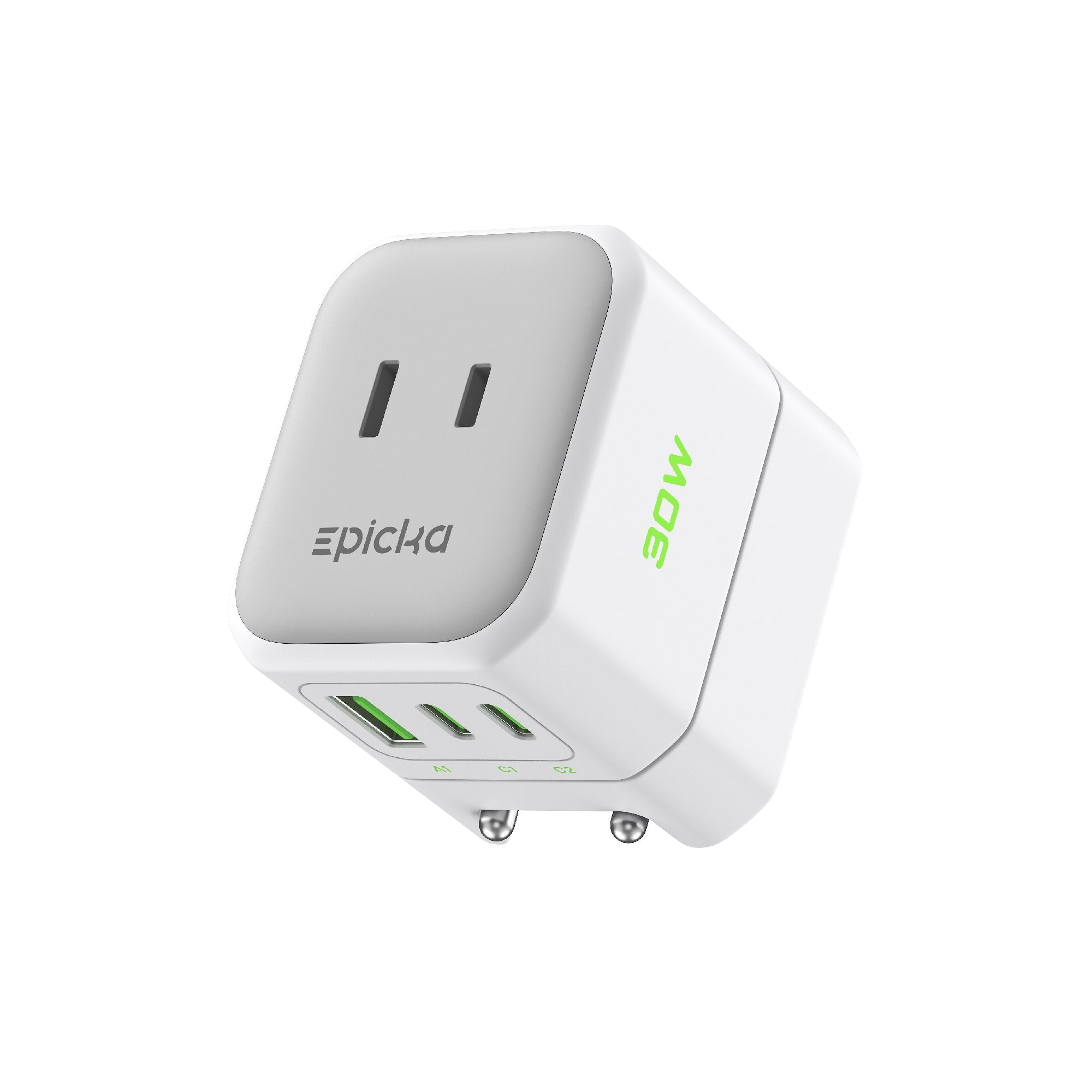
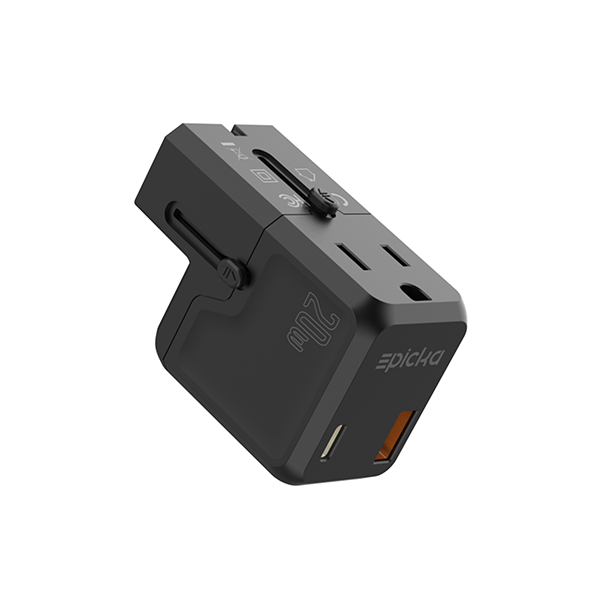
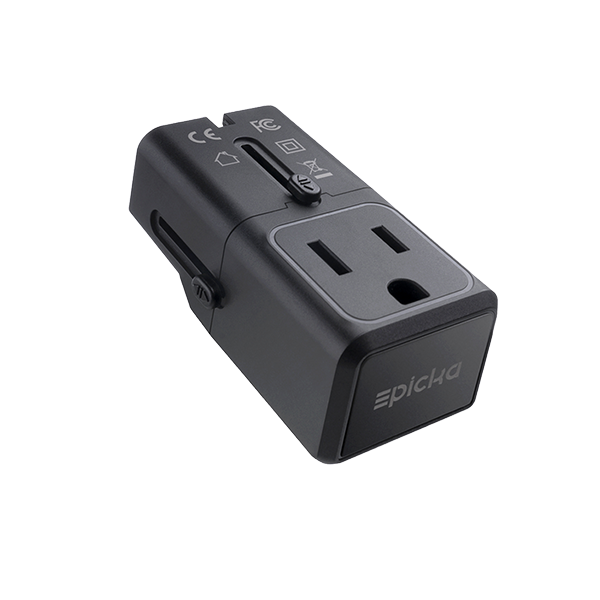
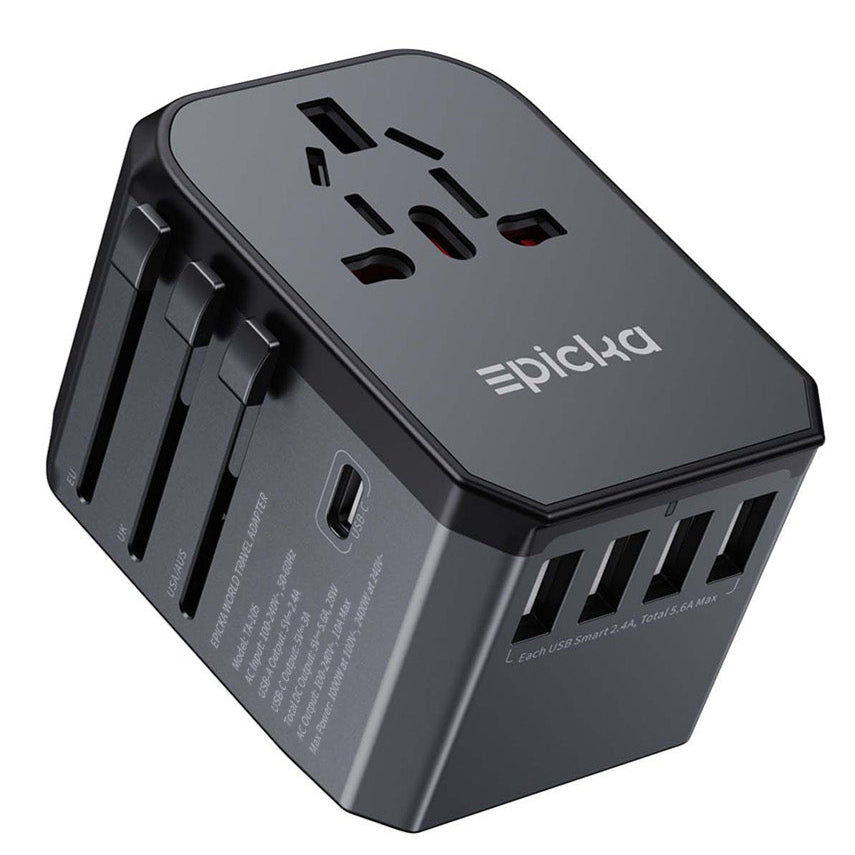
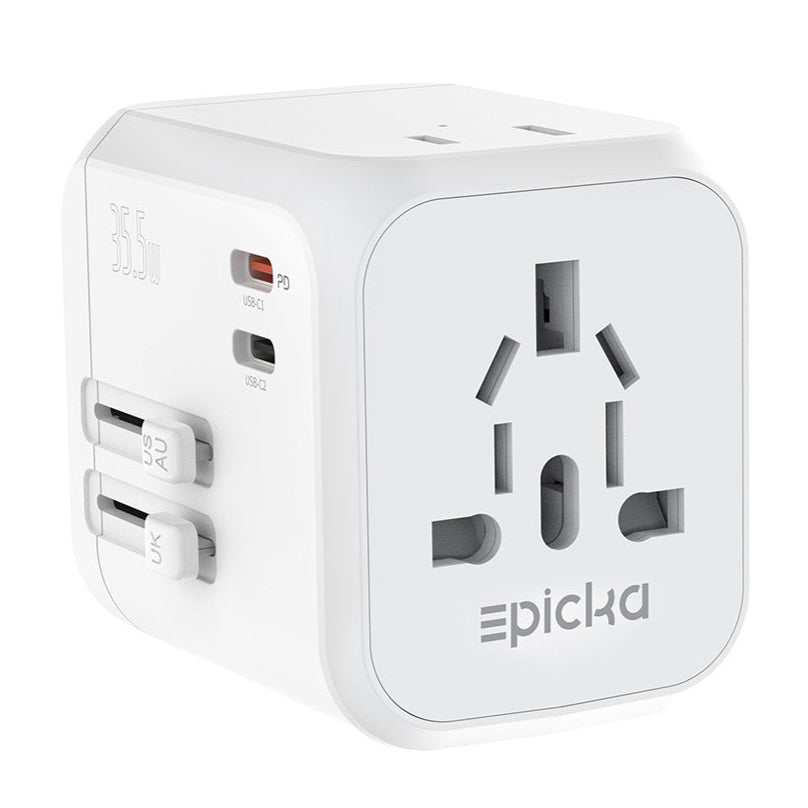
- The Solution: A high-performance GaN Universal Travel Adapter (e.g., Epicka TA-105 Max/ Epicka Pulse duo 45W / Epicka air 40W Universal Travel Adapter).
- Why: It’s an All-in-One solution. The adapter is the charger. You plug your USB-C cables directly into the adapter for full-speed charging. No power strips needed.
Path B: The Power User (> 75W)
- Who: Photographers, Video Editors, Digital Nomads with powerful rigs (Total demand > 120W).
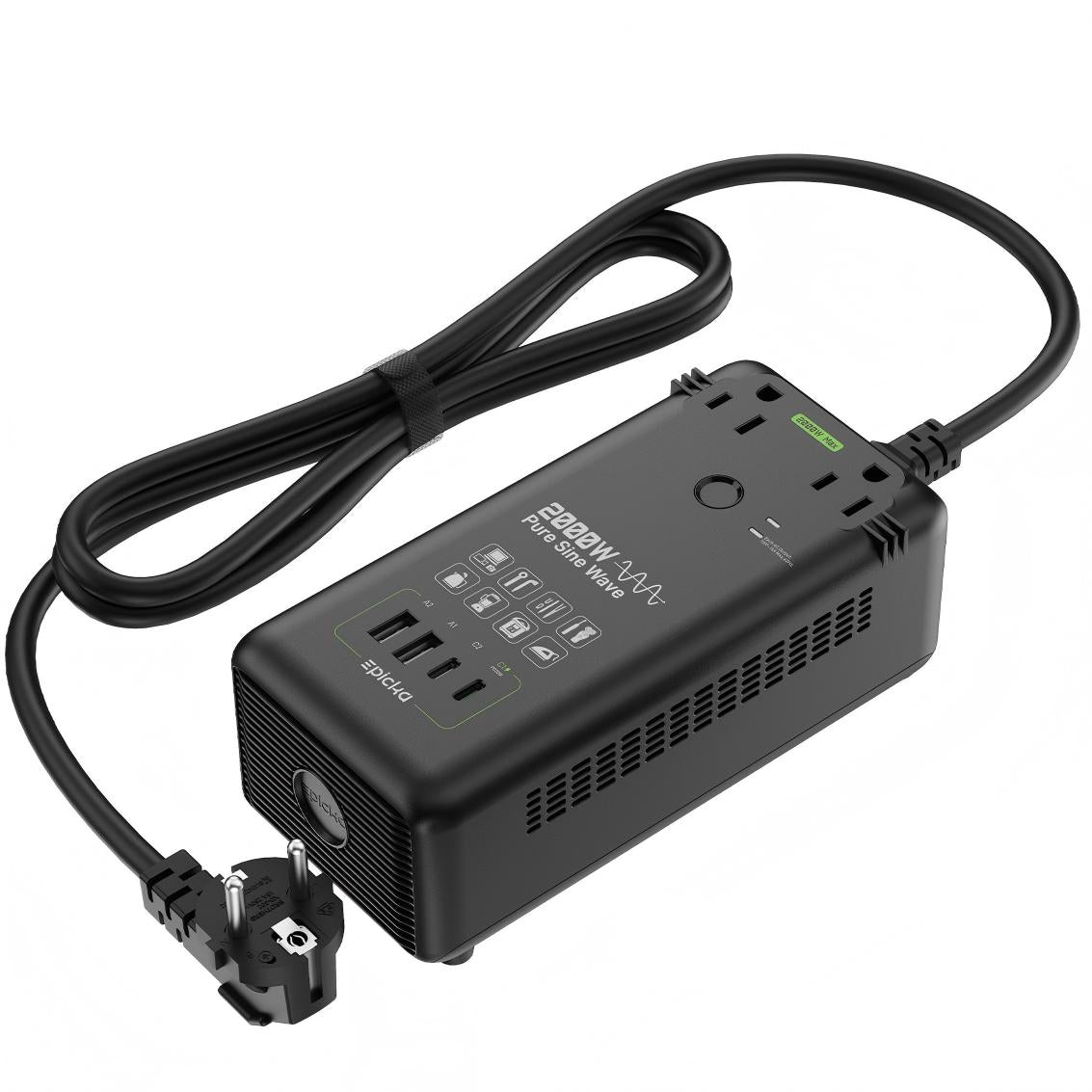
- The Solution: Epicka Travel Adapter + A Desktop Charging Hub.
- Strategy: Here, the travel adapter stops being the USB charger and becomes a Physical Interface Converter. You plug your heavy-duty Desktop Hub’s power cord into the Epicka adapter’s AC socket. This lets you tap into the wall’s full AC power and distribute it via your desktop hub.
Step 4: The Cable Strategy (Standardization)
You have the charger; now you need the “Last Mile” connection. USB-C is universal physically, but internal standards vary wildly.
To avoid confusion, adopt the “100W Standardization Strategy”:
- Lock in PD Protocol: Only buy cables that support Power Delivery (PD). They allow your device and charger to “talk” and negotiate the safest speed.
- Go Big (100W): Upgrade all your travel cables to support 100W.
- The Logic: Even if your iPhone only needs 30W, using a 100W cable is perfectly safe (the PD protocol down-regulates automatically). This means you can grab any cable from your bag to charge any device — laptop or phone — at max speed without thinking.
Critical Safety: The Voltage Warning
Before you fly, check the fine print on your devices to avoid a fire hazard:
- Dual Voltage (Safe): Laptops, phones, and camera chargers usually say “Input: 100V-240V”. These work globally with just a plug adapter (like the ones identified in our Finder).
- Single Voltage (Danger): High-heat appliances like hair dryers and curling irons are often fixed at 110V (US only). Plugging these into a 220V outlet (Europe/Asia) will destroy them instantly. Do not use them unless you have a voltage transformer. (Pro tip: Just use the hotel hair dryer).
 The Length Factor: Hotel outlets are often in terrible spots. A 6ft (2m) cable is non-negotiable if you want to use your phone in bed comfortably.
Conclusion
The perfect travel charging experience isn’t about bringing more gear; it’s about bringing the right gear.
Start by using the Adapter Finder to solve the geography puzzle. Then, use the Wattage Audit to pick your power level. Whether you’re in a capsule hotel in Tokyo or a cafe in Paris, Epicka ensures you’re always powered up and ready to go.